CA-24/11/2025-25/11/2025
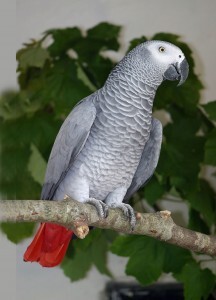
African Grey Parrot
Why in news?
The African Grey Parrot is currently classified as Endangered by the IUCN Red List, with its population rapidly decreasing due to illegal pet trade, habitat destruction, and nest poaching. The species is listed under CITES Appendix I, which bans international commercial trade.
Key features
- Medium size with grey feathers and red tail.
- Remarkable talking and mimicking abilities.
- Nickname “The Einstein of the Bird World”.
- Highly social, intelligent, and emotional.
- Lifespan up to 60 years in captivity.
- Native to West and Central African forests and savannahs.
- Endangered with declining populations due to trapping and deforestation.
CITES Appendix I includes species that are the most endangered among those listed by CITES. These species are threatened with extinction and international trade in specimens of these species is generally prohibited except in exceptional non-commercial circumstances, such as scientific research.
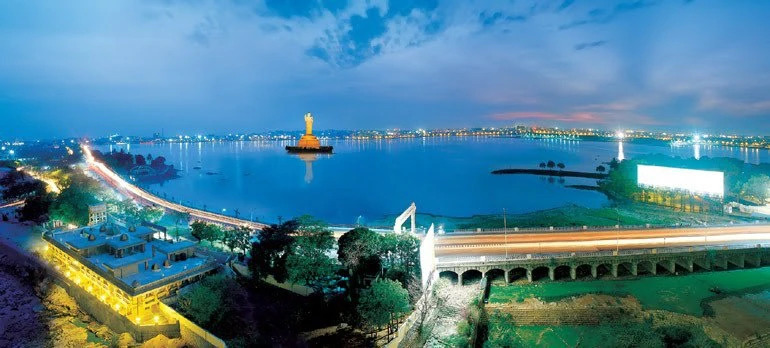
Hussain Sagar Lake
About
Hussain Sagar Lake is a historic artificial lake located in Hyderabad, Telangana, India. It was built in 1563 by Ibrahim Quli Qutb Shah and serves as a major landmark and tourist attraction in the city.
Key Facts
- Built by / Year: Constructed in 1562 by Hazrat Hussain Shah Wali during the reign of Ibrahim Quli Qutb Shah of the Qutb Shahi dynasty.
- River: Built on a tributary of River Musi.
- Original purpose: To meet irrigation and drinking water needs of Hyderabad; used for this till around 1930 (and drinking water till mid 1970s).
- Claim to fame: Often described as one of Asia’s largest/artificial lakes and one of the most popular tourist attractions of Hyderabad.
- A 16 m high monolithic statue of Lord Buddha on a small island (“Rock of Gibraltar”) in the middle of the lake.
Mosses

Why in news?A study led by researchers at Hokkaido University found that moss spores survived nine months exposed to the harsh conditions outside the International Space Station (ISS), including vacuum, cosmic radiation, and extreme temperatures.
- Mosses are small, non-vascular plants classified under the division Bryophyta, with around 12,000 known species worldwide.
- They form dense green clumps or mats, mostly in damp, shady environments, absorbing water through leaf-like structures rather than roots.
- Mosses lack true roots, stems, or leaves; instead, they have simple leaves and rhizoids (thread-like structures) for anchorage and moisture absorption.
- Their life cycle is dominated by the haploid gametophyte stage, and reproduction occurs via spores, not seeds.
- Ecologically, mosses stabilize soil, prevent erosion, retain water, and enhance microclimates by cooling their surroundings.
- They contribute significantly to carbon absorption (about 6.4 billion tons annually) and help nitrogen fixation in boreal forests through cyanobacteria associations.
- Mosses grow in diverse habitats including forest floors, rocks, urban areas, geothermal sites, and even Antarctica, showing remarkable adaptability.
- Commercially important is peat moss (genus Sphagnum), harvested for horticulture and as a soil conditioner.
- Traditional uses include insulation and absorbing liquids many times their weight, highlighting their practical value beyond ecology.
Exercise AUSINDEX 2025

Why in news?
The 2025 edition was held in the Northern Pacific Ocean, involving warships and aircraft from both navies. It is a biennial bilateral maritime exercise conducted between the Indian Navy and the Royal Australian Navy.
Key details about AUSINDEX 2025:
- Major participants: INS Sahyadri (Indian Navy) and HMAS Ballarat (Royal Australian Navy).
- The exercise focused on anti-submarine warfare, gunnery drills, advanced flying operations, and joint maritime maneuvers.
- It aims to boost interoperability between the two navies and reinforce their strategic partnership.
- AUSINDEX 2025 emphasized a shared commitment to a free, open, and inclusive Indo-Pacific region.
- The exercise strengthens bilateral maritime cooperation and enhances the capability of both navies to operate together effectively.
Methamphetamine

Why in news?
The United Nations Office on Drugs and Crime (UNODC) reported a surge in methamphetamine production and trafficking primarily centered in Myanmar's Shan State, with trafficking routes expanding through Southeast Asia
About
- Methamphetamine is a powerful central nervous system stimulant used recreationally and, less commonly, as a medical treatment for ADHD and obesity.
- Methamphetamine exists as two forms, levo-methamphetamine and dextro-methamphetamine, with effects similar to amphetamines.
- It boosts the release of neurotransmitters like dopamine, serotonin, and norepinephrine, resulting in increased energy, decreased appetite, and elevated mood.
- Short-term effects include increased heart rate, blood pressure, body temperature, euphoria, and increased sexual desire.
- However, overdose or extended use can cause psychosis, seizures, muscle breakdown, brain bleeding, severe dental decay ("meth mouth"), and skin sores.
- Chronic use leads to neurotoxic effects such as damage to dopamine neurons and reduced grey matter in brain regions, as well as behavioral issues like paranoia, hallucinations, and aggression.
- Methamphetamine is a Schedule II controlled substance, meaning it is available only under strict prescription for medical uses like ADHD treatment.
- Its illicit form, often called "crystal meth," is illegally synthesized and has a high potential for abuse and addiction.
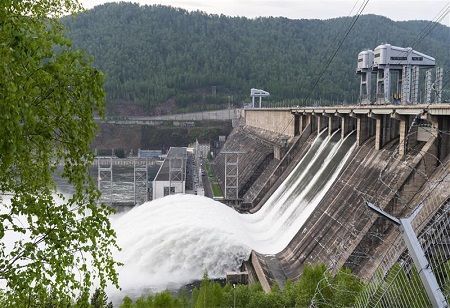
Dorjilung Hydroelectric Power Project
Why in news?
Druk Green Power Corporation (DGPC) and Tata Power signed commercial agreements in November 2025 for the project's implementation through a special purpose vehicle (SPV), with DGPC holding 60% equity and Tata Power 40%.
About
- Capacity: 1,125 MW (six 187.5 MW Francis turbines).
- Annual Generation: Approximately 4.5 TWh (4,517 GWh).
- Location: Kurichhu River, Lhuentse and Mongar districts, eastern Bhutan.
- Dam Height: 139.5 meters (concrete-gravity type).
- Headrace Tunnel: 15 km long, 11 meters diameter.
- Design Discharge: 287 m³/s.
- Total Cost: ?13,100 crore (Nu 145-150 billion, ~$1.7 billion).
- Ownership: Druk Green Power Corporation (DGPC) 60%, Tata Power 40%.
- Timeline: Preparatory works started 2025; commissioning targeted for 2031-2032.
- Power Allocation: 80% export to India.
This initiative strengthens India-Bhutan clean energy ties, with 80% of power exporting to India for renewable supply and regional security. It aligns with Bhutan's hydropower focus and India's demand for stable green energy.
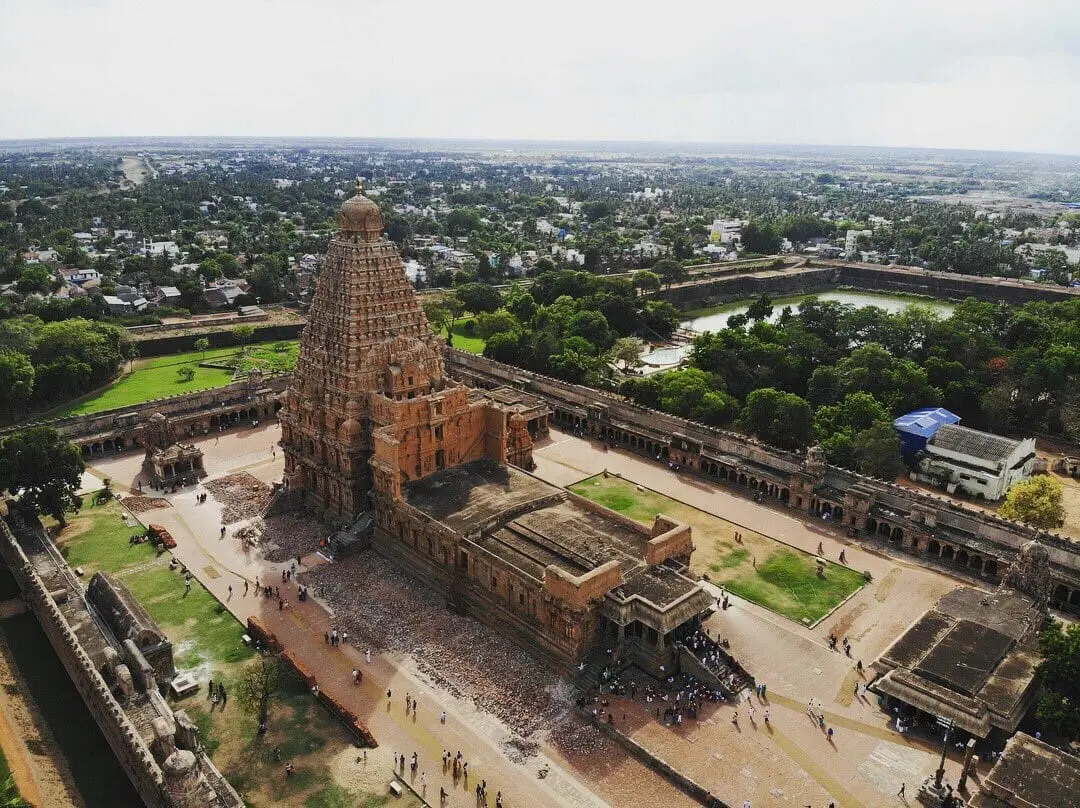
Brihadisvara Temple
Why in news?
Archaeological Survey of India (ASI) organizing a heritage walk and clean-up drive at Brihadeeswarar Temple in Thanjavur as part of World Heritage Week celebrations. The temple also hosted the Aippasi Sathaya Utsavam festival recently, celebrating its founder Raja Raja Chola I, drawing large crowds of devotees.
Key facts
- Location: Also called Peruvudaiyar Kovil or Brihadisvara Temple, is a monumental Shiva temple in Thanjavur, Tamil Nadu
- Deity: Dedicated to Lord Shiva as a huge stone lingam.
- Builder & period: Built by Chola emperor Rajaraja Chola I between about 1003–1010 CE, at the height of Chola power.
- UNESCO status: Part of the Great Living Chola Temples World Heritage Site, along with Gangaikondacholisvaram and Airavatesvara temples.
- Alternative names: Peruvudaiyar Kovil, Rajarajeswaram, Rajarajeshwara Temple, Thanjavur Big Temple.
- The temple symbolised Chola imperial power and devotion to Shiva.
- It has remained in continuous ritual use for over a thousand years and is now under the care of the Archaeological Survey of India as a protected monument.
- The temple is a major Shaivite pilgrimage centre and a strong symbol of Tamil culture and Chola heritage.
- It has historically been associated with classical Bharatanatyam and temple arts;
- Style: Classic Dravidian architecture showcasing the pinnacle of Chola engineering and sacred geometry.
- Vimana (main tower): Rises to about 64 m / 216 ft, making it one of the tallest temple towers of its kind in the world.
- Material: Entire main structure built in granite, even though suitable quarries lie over 50–60 km away, implying massive, organised transport and labour.
- Construction technique: Huge stone blocks are dry-jointed – bonded without mortar – including the enclosure and the tall tower above the sanctum.
- Capstone: A single granite block at the top weighing about 80 tons, an engineering feat that remains a major attraction.
Draft Electricity (Amendment) Bill, 2025
Why in news?
The Electricity (Amendment) Bill, 2025 introduces major reforms to modernize India’s power sector by promoting competition in electricity distribution, rationalizing tariffs to be more cost-reflective, and phasing out cross-subsidies for industries and railways within five years.
Background
- Purpose: To amend the Electricity Act, 2003 and introduce major reforms to strengthen the power sector, ensure consumer choice, promote competition, and attract investments.
- Context: Previous attempts at amendments (notably in 2014, 2018, and 2021) faced stakeholder resistance, especially from states and power sector employees.
1. Introduction of Multiple Distribution Licensees
- Provision for Competition: Allows more than one distribution licensee in the same area, promoting competition and consumer choice.
- Non-discriminatory Open Access: Ensures that all distribution companies get non-discriminatory access to distribution networks.
- Decoupling Supply and Wires: Transmission (wires) and electricity supply (content) functions separated, encouraging new suppliers while the network remains regulated.
- Targeted Subsidies: Mandates DBT of subsidies to consumers, reducing pilferage and financial stress on discoms.
- SERCS/EERCs Powers Enhanced: Greater autonomy and accountability to resolve disputes, modify tariffs, and monitor compliance.
- Time-bound Decisions: Deadlines for tariff determination and dispute resolution enforced.
- Renewable Purchase Obligation (RPO): Increased and made statutory, with penalties for non-compliance.
- National Renewable Energy Policy: Mandate for the Central Government to notify a comprehensive policy.
- Enforcement: Higher penalties for theft, unauthorized use, or non-compliance with provisions.
- Grid Reliability: Empowerment of national and regional load dispatch centers for system Operation.
- Tariff Rationalization: Aims for cost-reflective tariffs, reduction in cross-subsidy over time.
- Smart Meters/Metering Reforms: Promotes smart meters, prepaid meters, and efficient metering infrastructure.
- Consumer Rights: Ensures time-bound service delivery and strengthens consumer grievance redressal.
- Franchisee and Sub-licensee Framework: Flexibility for local franchisees in distribution.
- State Opposition: States worry about loss of revenue and erosion of control over electricity distribution.
- Employee/Discom Resistance: Possible job losses and uncertainty due to privatization and restructuring.
- Rural vs Urban Divide: Fears that private licensees may prefer urban, profitable areas, neglecting rural supply.
- Increased efficiency and reduced losses in power distribution.
- Greater consumer choice and improved service quality.
- Boost to renewable energy integration and investment.
- Effective regulation and implementation at state level.
- Transition challenges for existing utilities and staff.
- Addressing subsidy and cross-subsidy transition periods.
India–Brazil–South Africa (IBSA) Leaders’ Meeting 2025
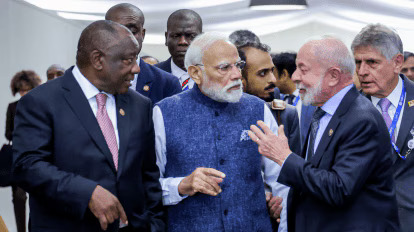
Why in news?
The India–Brazil–South Africa (IBSA) Leaders’ Meeting in 2025 was held on the sidelines of the G20 Summit in Johannesburg. The meeting focused on strengthening trilateral cooperation among the three major democratic economies of the Global South.
Key Proposals and Initiatives in 2025 Meeting
- Institutionalizing National Security Advisers (NSA)-level dialogue for ongoing security cooperation.
- Launching an IBSA Fund for promoting climate-resilient agriculture to help Global South countries adapt to climate change.
- Creating a Digital Innovation Alliance to share successful digital public infrastructure platforms such as India’s UPI payment system and the CoWIN health platform.
- Unified global action against terrorism emphasizing no tolerance for double standards.
- India invited IBSA countries to participate in the AI Impact Summit to be hosted in India, aimed at shaping human-centric and trustworthy AI norms.
- Strengthening economic cooperation and mutual investment in infrastructure, innovation, mining, and startups.
- The IBSA forum serves as a significant platform for advancing South-South cooperation beyond traditional sectors.
- It strengthens political dialogue and economic ties among three continents, providing a collective voice for the Global South on international platforms.
- In the backdrop of global uncertainties, the IBSA countries aim to coordinate on institutional reforms and collaborative development initiatives, which also include large-scale bilateral and trilateral trade agreements and sustainable development goals.
Bharat NCAP 2.0
Why in news?
Bharat NCAP 2.0 is the proposed upgraded version of India's vehicle safety rating program, released as a draft by the Ministry of Road Transport and Highways (MoRTH) in November 2025, with implementation planned from October 2027 after the current protocol expires.
Key points
- Bharat NCAP 2.0 is the upgraded version of the Indian New Car Assessment Program aimed at enhancing vehicle safety standards.
- It uses a 100-point rating system distributed across five pillars: Crash Protection (55%), Vulnerable Road User Protection (20%), Safe Driving (10%), Accident Avoidance (10%), and Post-Crash Safety (5%).
- The program includes five crash test scenarios: 64 km/h offset frontal, 50 km/h full-width frontal, 50 km/h mobile lateral barrier side impact, 32 km/h oblique pole side impact, and 50 km/h mobile rigid rear impact.
- Safety features such as Electronic Stability Control (ESC) and curtain airbags are mandatory for vehicles to be rated, while autonomous emergency braking is optional.
- Vehicles with side-facing seats are excluded from Bharat NCAP ratings.
- The star rating thresholds are stricter, with the current 5-star requirement of 70 points increasing to 80 points by the period 2029-31.
- Bharat NCAP 2.0 aims to better protect not only vehicle occupants but also vulnerable road users like pedestrians and improve post-crash safety.
- The program is expected to be implemented by October 2027, with public consultation ongoing until December 2025.
Meerut Bugle
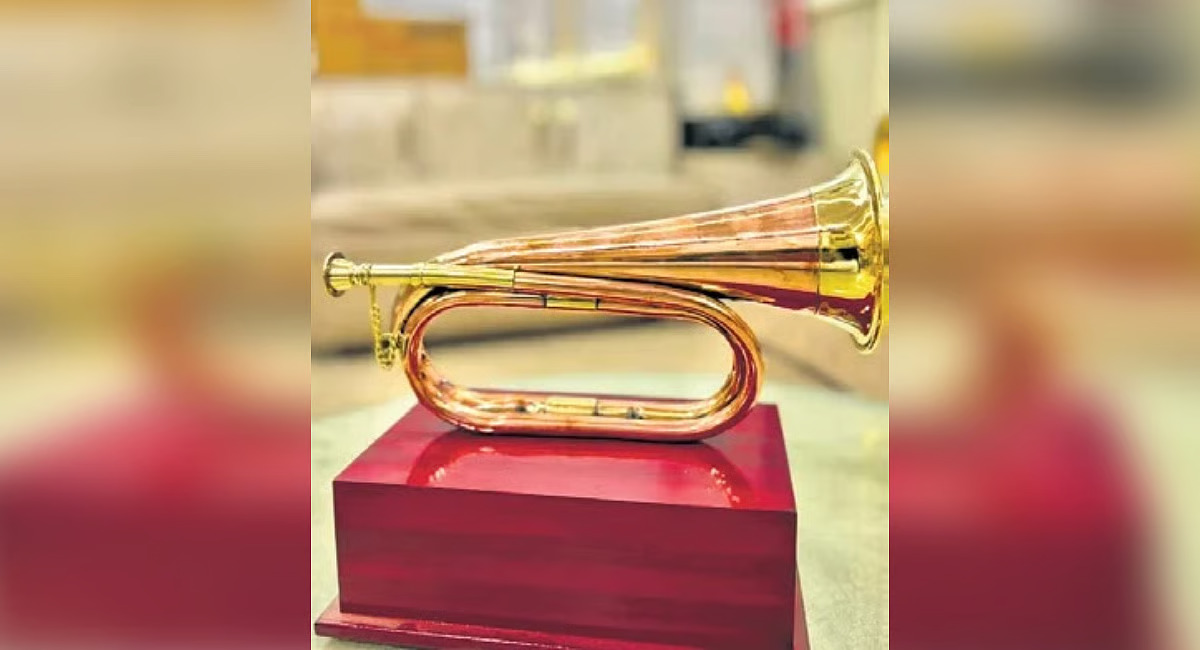
Why in news?
The Meerut Bugle, a handcrafted brass wind instrument from Meerut, Uttar Pradesh, received a Geographical Indication (GI) tag on November 20, 2025, becoming the first military-linked musical instrument in India to earn this recognition.
Origin and Craftsmanship
- Originating in the 1870s during British rule in Meerut Cantonment.
- the bugle is made from high-grade brass sheets using traditional hammering and soldering without machinery, featuring a unique "Meerut curve" for its piercing tone.
- Artisans produce it exclusively in Meerut, supplying Indian Army, CRPF, BSF, police, and NCC bands for parades and drills.?
- The instrument played roles in military communication, the 1857 uprising, and India's independence movement, sustaining over 5,000 artisan families through its golden era post-1947.
- By the 1990s, cheap imports threatened the craft, closing 70% of workshops and leaving about 250 masters.
- Legal protection against unauthorized use by non-origin producers.
- Higher market value and premium pricing due to authenticity and exclusivity.
- Enhanced brand recognition and global visibility for regional products.
- Boosts exports and access to international markets.
- Generates income for local artisans, farmers, and communities.
- Builds consumer confidence in quality and origin.
- Preserves cultural heritage, traditional knowledge, and practices.
- Promotes tourism and sustainable local economies.
UPI-TIPS Link
Why in news?
The Reserve Bank of India (RBI) and NPCI International Payments Limited (NIPL) have initiated the realization phase of UPI-TIPS Link after sustained engagement with the European Central Bank (ECB).
About UPI and TIPS
- UPI (Unified Payments Interface) is a real-time payment system developed by India that facilitates instant money transfers between bank accounts using mobile devices.
- TARGET Instant Payment Settlement (TIPS) is a pan-European instant payment settlement system launched by the Eurosystem in 2018, allowing instant settlement of payments in central bank money, available 24/7 with settlement within seconds.
- The linkage facilitates cross-border payments and remittances, making international transfers between India and Europe faster and more affordable.
- It aims to boost payment interoperability, helping consumers and businesses on both sides to send and receive money instantly regardless of the time or day.
- The initiative aligns with the G20 roadmap to enhance cross-border payments by making them cheaper, more efficient, transparent, and accessible.
- Both UPI and TIPS systems handle instant payments but operate in distinct jurisdictions; their interlinking will require technical integration, risk management, and settlement arrangements.
- TIPS supports multiple currencies including the Euro and allows transactions to settle in 10 seconds or less.
- Banks and payment providers participating in TIPS must hold accounts with their central banks and maintain liquidity to settle these instant payments securely.
National Framework on Traceability in Fisheries and Aquaculture 2025
Why in news?
Recently launched by India's Department of Fisheries on World Fisheries Day in November 2025, under Pradhan Mantri Matsya Kisan Samridhi Sah-Yojana (PM-MKSSY), establishes a unified national digital traceability system to track seafood from "farm to plate" and "catch to consumer."
- Core Technologies: Uses blockchain, IoT, QR codes, GPS, RFID, barcodes, and cloud-based platforms for real-time tracking, ensuring compliance with global standards like EU regulations.
- Objectives:
- Enhance food safety, hygiene, and regulatory compliance.
- Combat IUU fishing and promote sustainability.
- Boost market access, consumer trust, and data-driven policy-making for small-scale fishers.
- Phased Implementation (6 stages): Policy & standards → IT infrastructure → Pilot testing → National rollout → Integration & scaling → Continuous monitoring/improvement.
- Governance Structure: National Steering Committee, Technical Committee, State Nodal Agencies, and field-level bodies; emphasizes data privacy via role-based access and cybersecurity protocols.
- Capacity Building: Training programs, awareness drives, integration with SHAPHARI, VMS; includes SOPs for mariculture, smart harbours, and coastal aquaculture guidelines.
Hayli Gubbi
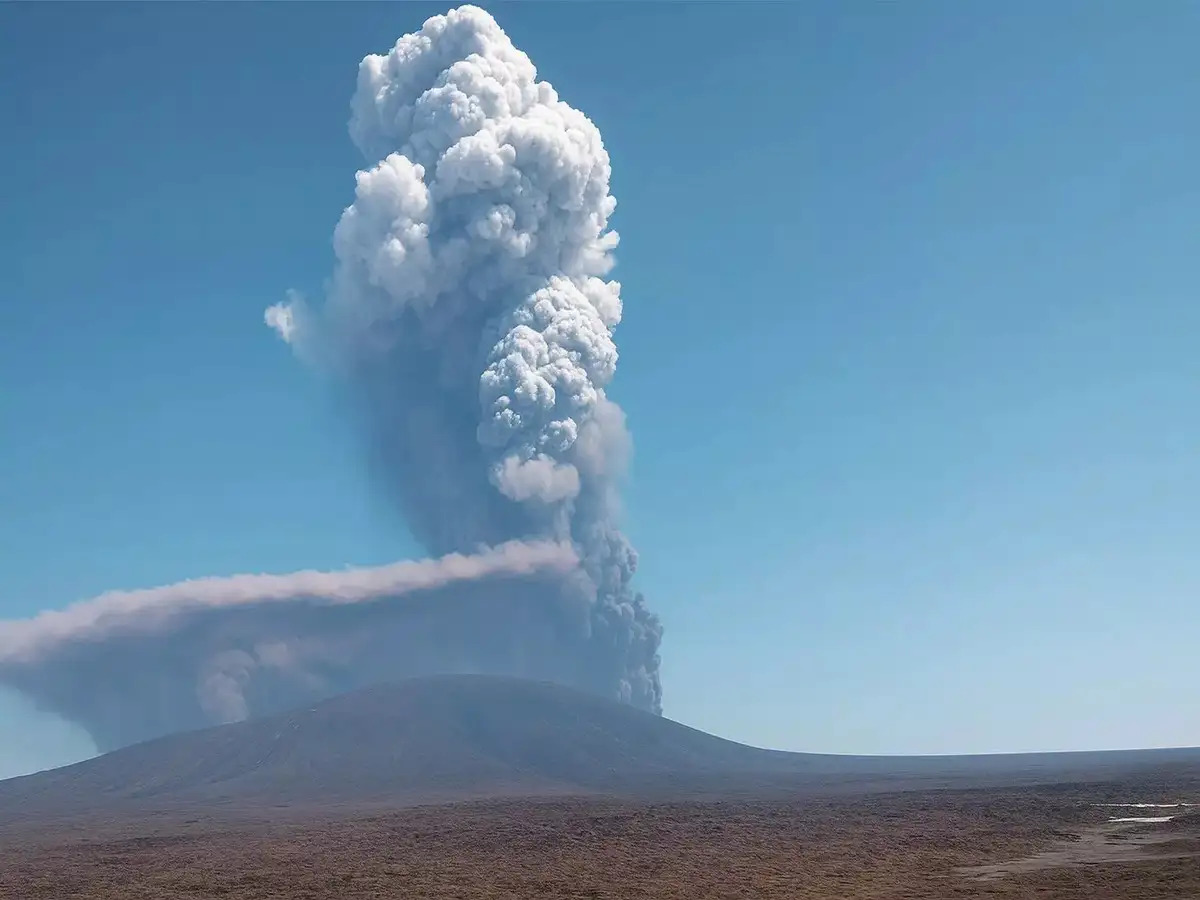
Why in news?
On November 23, 2025, Hayli Gubbi erupted explosively for the first time in recorded history, likely after about 12,000 years of dormancy, excavating its summit scoria cone and forming new craters up to 200 meters wide.
About
- Hayli Gubbi is a shield volcano in Ethiopia's Afar region, the southernmost in the Erta Ale Range, located in the geologically active Danakil Depression near the Eritrea border.
- Lies in the East African Rift System (EARS) at the Afar Triple Junction, where Nubian, Somali, and Arabian plates diverge, one of Earth's hottest and lowest places.
- The eruption produced ash plumes with SO?, glass shards, and fine particles, rising 9-14 km high, heard as a loud explosion up to 190 km away, with shock waves felt by locals.
- Ash clouds drifted across the Red Sea to Yemen, Oman, Pakistan, and India, blanketing nearby villages like Afdera and affecting livestock grazing without reported human or animal deaths.
- Air travel faced disruptions thousands of miles away, including in India.
Trial in absentia
Why in news?
Delhi Police invoked this provision for the first time on November 24, 2025, in a murder case where accused faces trial in absentia after being declared a proclaimed offender. The court framed charges against the accused despite his absence, following his evasion despite warrants and a charge sheet filed in August 2025.
About
Trial in absentia under BNSS (Bharatiya Nagarik Suraksha Sanhita, 2023) enables courts to conduct inquiries, trials, or judgments without the accused's presence for specific cases, replacing CrPC limitations.
Core Provisions
- Section 355: Optional for cases where accused presence is unnecessary or they disrupt proceedings; requires advocate representation, recorded reasons, and possible later summons.
- Section 356: Mandatory for proclaimed offenders (serious offences: 10+ years/life/death imprisonment) absconding to evade trial, after failed arrest efforts.
Preconditions for Section 356
- Two warrants issued (30-day gap), proclamation publication in newspapers/official gazette, notices to relatives/friends, property attachment if needed.
- Trial begins only 90 days post-charge framing; no immediate arrest prospects.
- State appoints defence counsel if unrepresented; evidence video-recorded where possible.
- Prosecution witnesses deposed as evidence; absconders can later cross-examine post-arrest if justice demands.
- Judgment valid even if accused appears later; appeals need personal appearance within 3 years.
- Balances swift justice against evasion, treating absence as waived right.
- Aligns with Bharatiya Sakshya Adhiniyam for joint trials; operational for proclaimed offenders as of 2025.
WhatsApp Governance
About
WhatsApp governance is an emerging digital initiative in India where state governments use WhatsApp to provide citizens easy access to various public services through the messaging platform.
Key Features and Implementation
- The platform is being implemented in states like Andhra Pradesh (under the "Mana Mitra" program) and Delhi, offering initially about 25-30 services such as marriage certificates, caste certificates, birth certificates, learning licenses, and driving licenses with plans to expand further.
- It uses WhatsApp's API, AI-powered multilingual chatbots, and generative AI to automate service delivery and citizen support.
- The platform connects with existing e-governance portals and aims to be inclusive by setting up Common Service Centres for users without internet or smartphones.
- Citizens can interact with the government by sending a simple "Hi" message to a dedicated number, then go through a verification process to receive services and documents digitally via WhatsApp.
- The initiative fosters citizen engagement, reduces administrative burdens, and enhances real-time communication between government and citizens.
- WhatsApp has a dedicated Law Enforcement Response Team (LERT) for reviewing government requests for user data to ensure compliance with laws and WhatsApp's policies.
- Requests for data are reviewed individually, with WhatsApp pushing back on any requests that are unlawful, overbroad, or deficient, ensuring user privacy is considered.
INS Mahe
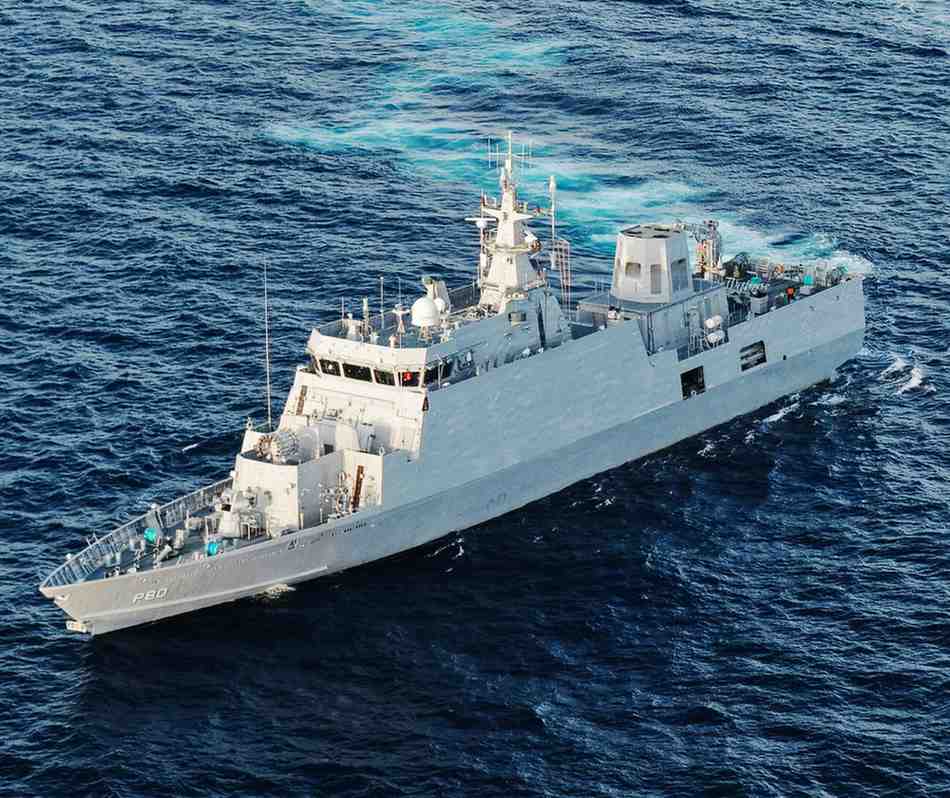
Why in news?
INS Mahe is the lead ship of the Mahe-class Anti-Submarine Warfare Shallow Water Craft (ASW-SWC) in the Indian Navy, commissioned on November 24, 2025, at Naval Dockyard, Mumbai.
About
- Named after the historic coastal town of Mahe on the Malabar Coast,
- It symbolizes agility with its crest featuring the Urumi sword from Kalaripayattu, a cheetah mascot, and the motto "Silent Hunters."
- Builder and Indigenous Content: Constructed by Cochin Shipyard Limited (CSL), first private entity to design a Navy warship, featuring over 80% indigenous systems under Aatmanirbhar Bharat.
- Dimensions: 78m length, 11.36m beam, 2.7m draught, ~900-1100 tonnes displacement.
- Propulsion: Diesel-waterjet, 25 knots max speed, 1,800 nautical miles endurance.
- Armament/Sensors: Hull-mounted/towed-array sonars, torpedoes, ASW rockets, mine-laying.
HAMMER missile
Why in news?
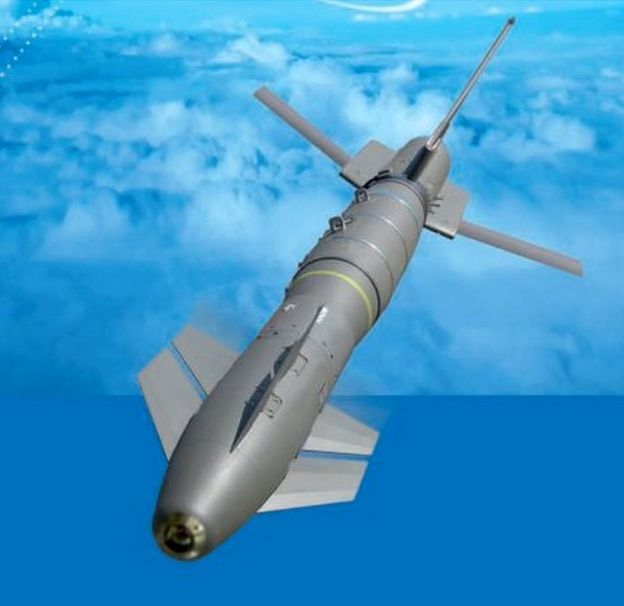
India's Bharat Electronics Limited (BEL) and Safran signed a joint venture in November 2025 to manufacture HAMMER in India under 'Make in India', with indigenization rising to 60% over time.
Key Features
- Officially known as AASM (Armement Air-Sol Modulaire) or Highly Agile Modular Munition Extended Range,
- It is a French-developed, all-weather precision-guided air-to-surface weapon by Safran Electronics & Defense.
- It transforms standard bombs into smart munitions via a guidance and range-extension kit, offering ranges up to 70 km when launched from aircraft like Rafale or Mirage 2000.
- Modular guidance combines GPS/INS with optional infrared (IR) or laser seekers for high accuracy (within meters), even in GPS-denied or jammed environments.
- Supports warheads from 125 kg to 1,000 kg, enabling strikes on fortified bunkers, moving targets, or high-value assets in close air support or standoff missions.
- The Indian Air Force uses it on Rafale jets with Litening pods for compatibility, prioritizing it over alternatives for Ladakh-like terrain due to agility and low-altitude launch capability.
- This boosts India's precision strike arsenal amid border tensions.
- Combat-proven in operations like Mali (2013), Libya, Syria, Afghanistan (2008), and India's Operation Sindoor (May 2025) against terror camps in Pakistan.
Pulmonary hypertension (PH)
About
Pulmonary hypertension (PH) is a condition characterized by high blood pressure in the arteries of the lungs, forcing the right side of the heart to work harder to pump blood through narrowed or damaged vessels.
Symptoms
- Common symptoms include shortness of breath, fatigue, chest pain, dizziness, fainting, swelling in the legs or ankles, and a fast heartbeat, which often worsen with physical activity.
- PH arises from various factors, including heart or lung diseases, blood clots, genetic mutations, certain drugs like methamphetamine, or conditions such as HIV, connective tissue diseases, or schistosomiasis.
- Pulmonary Arterial Hypertension (PAH): Problem in lung arteries themselves, making them narrow and stiff no clear cause linked to diseases like lupus or HIV.
- Due to Left Heart Problems: Most common type, stiff heart muscle, or leaky/narrow valves, backup pressure pushes into lung arteries.
- Due to Lung Diseases or Low Oxygen: Seen in COPD (smoker's lung), lung scarring (fibrosis), and Living at high altitudes worsens it.
- Blood Clots Blocking Arteries (CTEPH): Old clots or tumors clog lung arteries, raising pressure. These Clots don't dissolve but surgery can sometimes clear them.
- Mixed or Unclear Causes: Rare issues like blood problems (anemia), kidney failure, or sarcoidosis (lung inflammation). Reasons not fully understood; doesn't fit other groups.
- Untreated PH can lead to right ventricular hypertrophy, right-sided heart failure, blood clots, irregular heartbeats, lung bleeding, and life-threatening issues during pregnancy.
- Over time, reduced oxygen flow impairs the left heart's function, limiting physical activity.
- Diagnosis often involves echocardiography, cardiac catheterization to measure pressures, and imaging for artery ratios.
- Treatments focus on symptom management with medications like vasodilators, oxygen therapy, and lifestyle changes, though no cure exists; early intervention improves quality of life.
Capital Gains Account Scheme (CGAS), 1988
Why in news?
Capital Gains Account Scheme (CGAS), 1988, saw major updates via the Capital Gains Accounts (Second Amendment) Scheme, 2025, notified on November 19, 2025, by the Central Board of Direct Taxes (CBDT).
About Capital Gains Account Scheme (CGAS), 1988
- The CGAS 1988, is a scheme introduced under the Income Tax Act, 1961.
- It allows taxpayers to deposit unutilized capital gains from the sale of certain assets into a designated account in authorized banks.
- This deposit helps taxpayers claim exemption from capital gains tax if the gains are reinvested in specified assets within stipulated timelines.
- The scheme now expands to include Section 54GA for industrial undertakings shifting to Special Economic Zones, alongside existing Sections 54-54GB.
- It authorizes non-rural branches of 19 private banks (like HDFC Bank, ICICI Bank) plus public sector banks to accept deposits, broadening access beyond earlier limits.
- Electronic payments via UPI, NEFT, RTGS, cards, and net banking are permitted, with the deposit date as the receipt date upon realization.
- Electronic statements equal passbooks for verification, and forms now support digital transaction details like RTGS numbers.
- From April 1, 2027, account closures require electronic filing via Form G/H with digital signatures or e-verification codes, managed by the Principal Director General of Income-tax (Systems).
- These changes modernize the 1988 scheme for easier compliance when reinvesting long-term capital gains before ITR deadlines, aiding exemptions without immediate asset purchase.
- Experts note improved convenience for property sellers and businesses, though rural branches remain excluded.
Auramine O
Why in news?
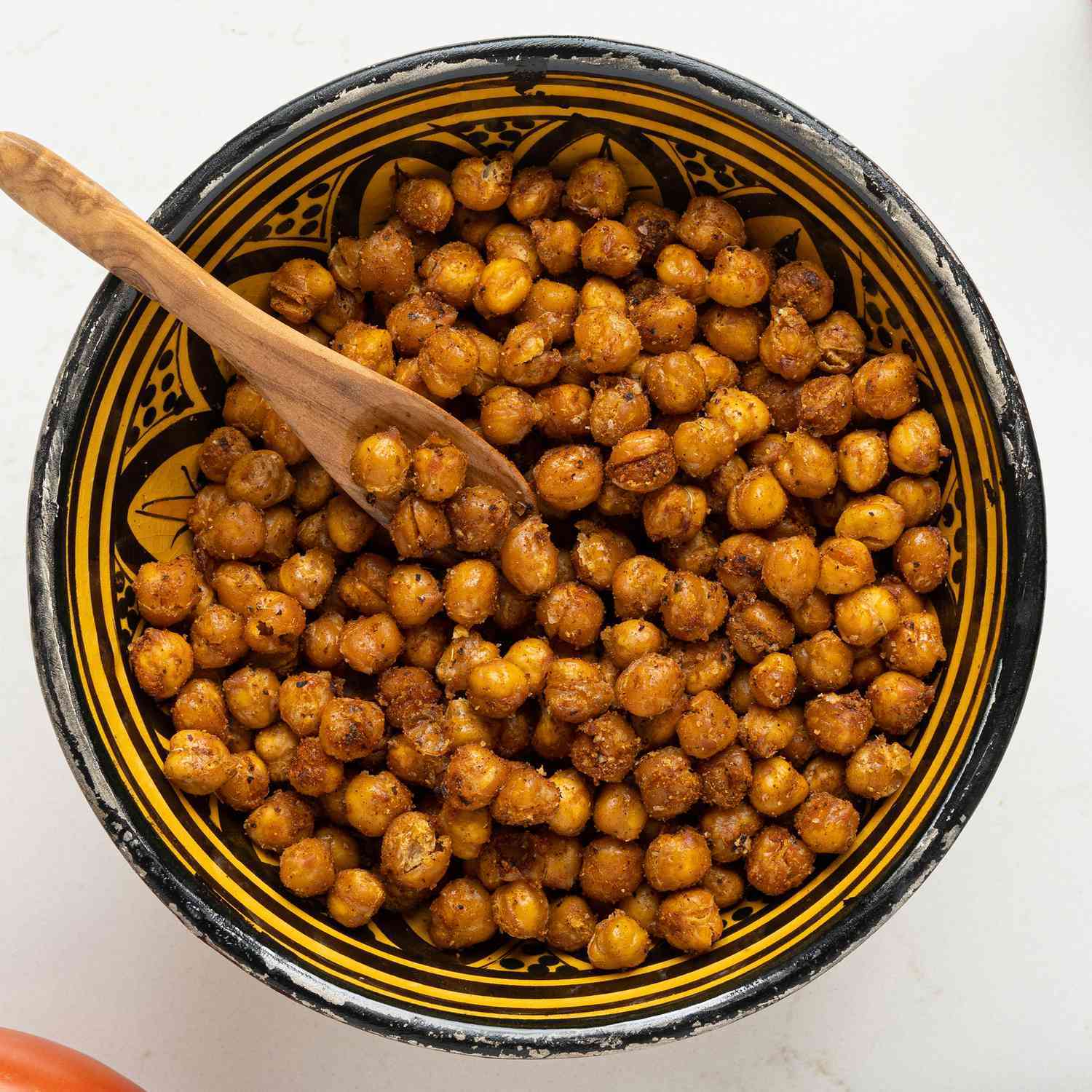
Recently, it has been found contaminating food items such as roasted chana (chickpeas) in India, raising major public health concerns and calls for stricter enforcement of food safety regulations.
About
- Auramine O is a synthetic diarylmethane dye primarily used as a fluorescent stain in microbiology for detecting acid-fast bacteria like Mycobacterium tuberculosis, and in industrial applications such as textile dyeing, leather processing, paper manufacturing, and histology.
Reasons for Illegal Use
- Vendors mix this cheap, intense yellow dye as an adulterant to enhance the bright yellow color and visual appeal of items like roasted chickpeas (chana), turmeric powder, sweets, spices, and curry powder.
- Its low cost and easy availability in informal markets drive misuse despite bans under India's Food Safety and Standards Act, 2006.
- Auramine O poses significant health risks, including acute toxicity if swallowed, inhaled, or absorbed through skin, causing irritation, burns, nausea, and eye damage.
- Chronic exposure links to liver/kidney damage, spleen enlargement, mutagenic effects, neurological issues, and carcinogenicity.
- The International Agency for Research on Cancer (IARC) classified it as possibly carcinogenic to humans.
Auramine O is banned for use in food under India's Food Safety and Standards Act, 2006, enforced by the FSSAI, due to its toxicity and potential carcinogenicity, though permitted for industrial applications like textiles and microscopy.
Pazhayar River
Why in news?
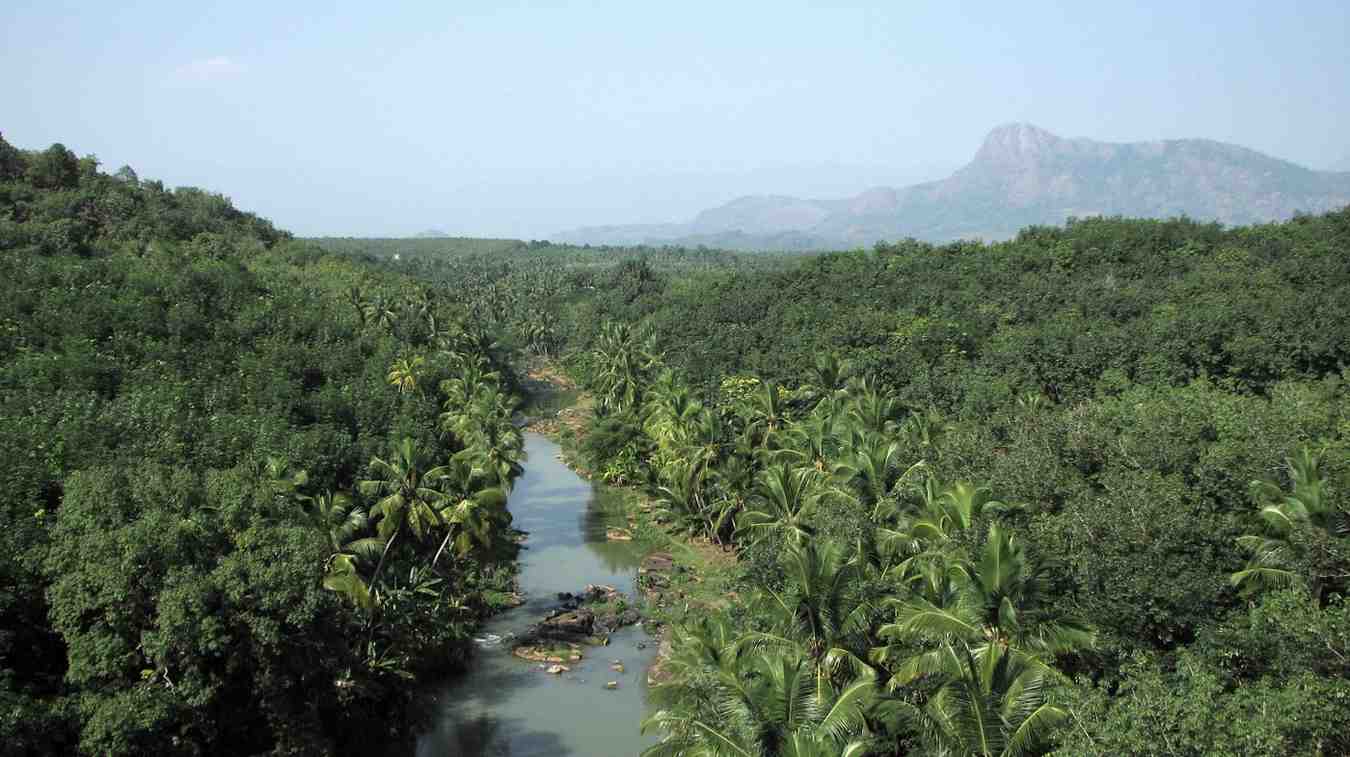
Rampant sewage and untreated water discharge into the Pazhayar River in Nagercoil, particularly near Ozhuginesary, has sparked major environmental and public health concerns among residents.
About
- Location: Flows through Kanniyakumari (Kanyakumari) district in Tamil Nadu, India.
- Origin: Slopes of Mahendragiri hills in Western Ghats at 800 m above MSL.
- Length: 40 km (some sources note 35-40 km).
- Direction and Mouth: Southwest through Mahendragiri Estate, Palkulam, Bhuttapandi, Thazhikudi, Nagercoil, Suchindram; drains into Arabian Sea near Manakudi (Manakudy Estuary).
- Catchment Area: 397 sq km, part of Kodaiyar (Kodayar) River Basin (total basin ~1,647 sq km).
- Tributaries: Alathurayar (Alathuraiyar), Poigaiyar, Thadaveyar (Tharuvayar), Koya odai (Koyu odai), Ulakkaruviyar (Ulakkaruviar).
- Dams/Anicuts: Chattupythur, Chettothoppu, Cholanmkattu, Kutty, Kumari, Mission, Pallikondam, Pillaipetha, Salari, Veerapuli, Veeranarayanamangalam; CWC station at Ashramam.
- Other Features: Perennial river; inter-basin canal from Tambraparni for irrigation; no major projects; feeds from Pechiparai/Perunchani reservoirs.
- Ecological Role: Supports Manakudi Estuary mangroves, birds, marine life; hydrobiological significance.
Asian and Pacific Centre for Development of Disaster Information Management (APDIM)
Why in news?
The 10th Session of the APDIM Governing Council, focused on Inclusive Disaster Risk Data Governance, was held under chairmanship of India at Vigyan Bhawan in New Delhi around November 21-23, 2025.
Key Outcomes
- Outcomes include enhanced collaboration on risk assessment, impact-based forecasting, and infrastructure planning.
- India highlights Ten Point Agenda on Disaster Risk Reduction:
- All development sectors must imbibe disaster risk management principles.
- Risk coverage must include all, from poor households to nations.
- Women’s leadership central to disaster risk management.
- Invest in global risk mapping for better hazard understanding.
- Leverage technology (AI, GIS, satellites) for efficient DRR.
- Develop university networks for disaster research and training.
- Use social media and mobiles for warnings and awareness.
- Build on local capacity and community initiatives.
- Learn lessons from every disaster via post-event studies.
- Ensure greater cohesion in international disaster responses.
- APDIM is a United Nations Economic and Social Commission for Asia and the Pacific (UN ESCAP)regional institution headquartered in Tehran, Iran.
- Established to strengthen disaster risk information management, reducing losses from natural hazards in Asia-Pacific.
- Vision: Accurate disaster risk information supports sustainable development.
- Mandate: Build capacities in data consolidation, knowledge sharing, early warning systems, and geospatial tools.
- Aligns with Sendai Framework (2015-2030) and SDG 2030 Agenda.
- Acts as knowledge hub for disaster data governance and risk assessment.
- Promotes regional cooperation, capacity building, and resilience planning.
- Supports climate-resilient infrastructure and information systems.
- It plays a key role in enhancing disaster preparedness and resilience across the Asia-Pacific region
Special Leave Petition (SLP)
About Special Leave Petition (SLP)
- Definition: Special Leave Petition (SLP) under Article 136 allows the Supreme Court to grant special leave to appeal against any judgment, decree, or order from any Indian court or tribunal, except military ones.
- Purpose: Acts as a residuary power for cases involving substantial questions of law or gross injustice, bypassing regular appeal routes. Purely administrative orders are excluded, and the petition must typically follow exhaustion of other remedies.
- Who can file: Any aggrieved party, after exhausting other remedies, in civil, criminal, tax, or tribunal matters.
- Discretionary power of the Supreme Court, not a right.
- Covers civil, criminal, tax, and tribunal matters.
- SLPs must be filed within 90 days of a High Court judgment or 60 days if against refusal of a certificate for appeal. The Supreme Court may condone delays at its discretion.
Lachit Borphukan
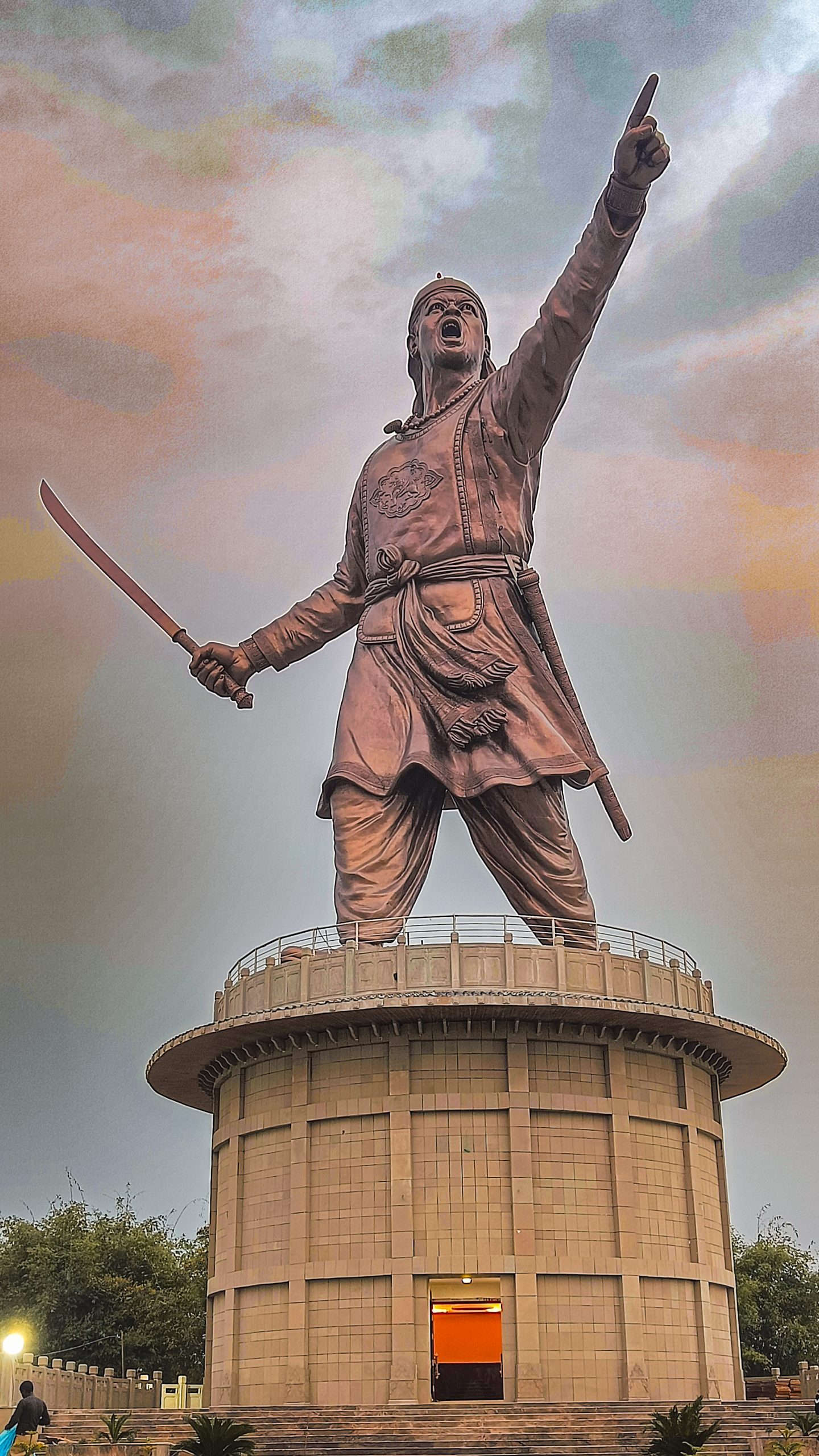
Why in news?
PM Modi paid tribute to Ahom general Lachit Borphukan on Lachit Diwas (November 24, 2025), calling him a symbol of courage, patriotism, and leadership who safeguarded Assam's culture.
- Birth and Family: Born on November 24, 1622, in Charaideo, Assam; youngest son of Momai Tamuli Borbarua (prominent Ahom military leader) and Kunti Moran.
- Early Career: Participated in battles against Mir Jumla's forces; rose through ranks as Ghora Barua (superintendent of royal horses), Dulia Barua, Simalugiria Phukan, and Dolakasharia Barua (superintendent of guards).
- Appointment: Named Borphukan (viceroy of western Assam) and commander-in-chief by King Chakradhwaj Singha in 1667; handled administration, diplomacy with Bengal and Bhutan, and development in Lower Assam.
- Guwahati Campaign: Recaptured Guwahati from Mughals in 1667 using guerrilla tactics after setting base at Kaliabar; fortified defenses along Brahmaputra River.
- Battle of Saraighat (1671): Led Ahom navy to victory against superior Mughal forces under Ram Singh I on Brahmaputra; used innovative riverine tactics, warboats, and rallied troops despite illness.
- Leadership Traits: Executed maternal uncle for neglecting fortification duty, prioritizing national service over family ties; trained in military strategy, administration, and scriptures.
- Death: Died on April 25, 1672, from illness shortly after the victory.
- Legacy: Symbol of Assamese patriotism and valor; celebrated on Lachit Divas (November 24); halted Mughal expansion, preserving Ahom independence.
Abhujmadia tribe
Under 'Maad Bachao Abhiyan' security forces killed over 100 Maoists in 2025 targeting elimination by March 2026 via roads/camps/mining, but sparking tribal displacement in historic Maoist "liberated zone."
About
- The Abhujmadia tribe is a sub-group of the Gond tribe Particularly Vulnerable Tribal Group (PVTG) primarily residing in the Narayanpur, Dantewada, and Abujhmad areas of the Bijapur district in Chhattisgarh.
- The tribe is ancestral and patriarchal, living mostly in remote and hilly forest areas known as "unknown hilly area," which is the meaning of "Abujhmad".
- Population estimates vary: around 19,401–22,000+ (early 2000s data, now over 22,000); up to 40,000 per 2011 Census in Abujhmad area.
- Ancestral and patriarchal society organized into clans (dynasties) with a strong headman (Manjhi) system for justice, culture, and decisions.
- Follows animism, worshipping nature spirits, deities, and ancestors.
- Proto-Australoid racial traits: medium height, strong build, complexion from fair to dark, brown/black eyes, oval/round faces.
- Livelihood via subsistence/shifting (Podu/Penda/Pedda) agriculture (rice, maize, pulses), hunting (deer, rabbit), fishing, gathering forest produce;
- Traditional semi-nomadic housing: raised wooden platforms with bamboo enclosures, animal sheds nearby; shifting to permanent villages due to bans on shifting cultivation.
- Cultural practices include community rituals, Bastar Dussehra participation, folk songs linking origins to animals/birds/South Bastar; property shared communally.
Download Pdf

