CA-17/11/2025
Foraminifera

Why in news?
Major global review that identified 57 new living species of Foraminifera tiny marine organisms, including three species from New Zealand waters.
What does “foraminifera” mean?
What does “foraminifera” mean?
- The shells have hundreds of tiny holes called foramen, the Latin word for window.
- The organism pushes extensions of its cytoplasm called pseudopodia (or false feet) through these holes to gather food.
Features
- Shell (Test) Structure: Most foraminifera produce hard shells called tests, which can be single or multi-chambered. These tests are commonly composed of calcium carbonate (calcite or aragonite), agglutinated sediment particles, or protein. Some species may even lack tests entirely.
- Shell Morphology: Tests vary greatly, from simple tubes or hollow spheres to highly elaborate chambered structures. Shells may be milky white, glassy, or grey depending on their composition and crystallography.
- Pseudopodia: Foraminifera extend granular ectoplasmic pseudopodia through small openings in their tests; these pseudopodia are used for locomotion, food capture, and environmental interaction.
- Cell Structure: The cell is divided into granular endoplasm and transparent ectoplasm, with nuclei that vary in number and size depending on sexual or asexual stages.
- Life Cycle: Foraminifera exhibit alternation of generations with distinct sexual (megalospheric) and asexual (microspheric) forms.
- Size: Typically less than 1 mm but some species can grow much larger, up to around 20 cm.
Foraminifera are broadly categorized into two groups based on where they live
- Benthic forams: Live on or within the seafloor sediments.
- Planktonic forams: Float in the upper water column of the open ocean.
Significance
- Ecological Role: They play an important role in marine ecosystems as both benthic (bottom-dwelling) and planktonic (floating) organisms, contributing to the marine food web.
- Paleontological Importance: Their extensive fossil record, dating back over 500 million years, is crucial in biostratigraphy and dating sediment layers.
- Climate Studies: Foraminifera shells record past ocean temperatures and chemistry, making them vital proxies for reconstructing paleoclimates and studying climate change.
- Oil and Gas Exploration: Foraminiferal fossils help locate hydrocarbon deposits by indicating ancient marine environments.
- Carbon Cycle Influence: Through their calcite shells, foraminifera contribute significantly to the oceanic carbon cycle, particularly carbon sequestration in marine sediments.
Gulf Cooperation Council (GCC)
Why in news?
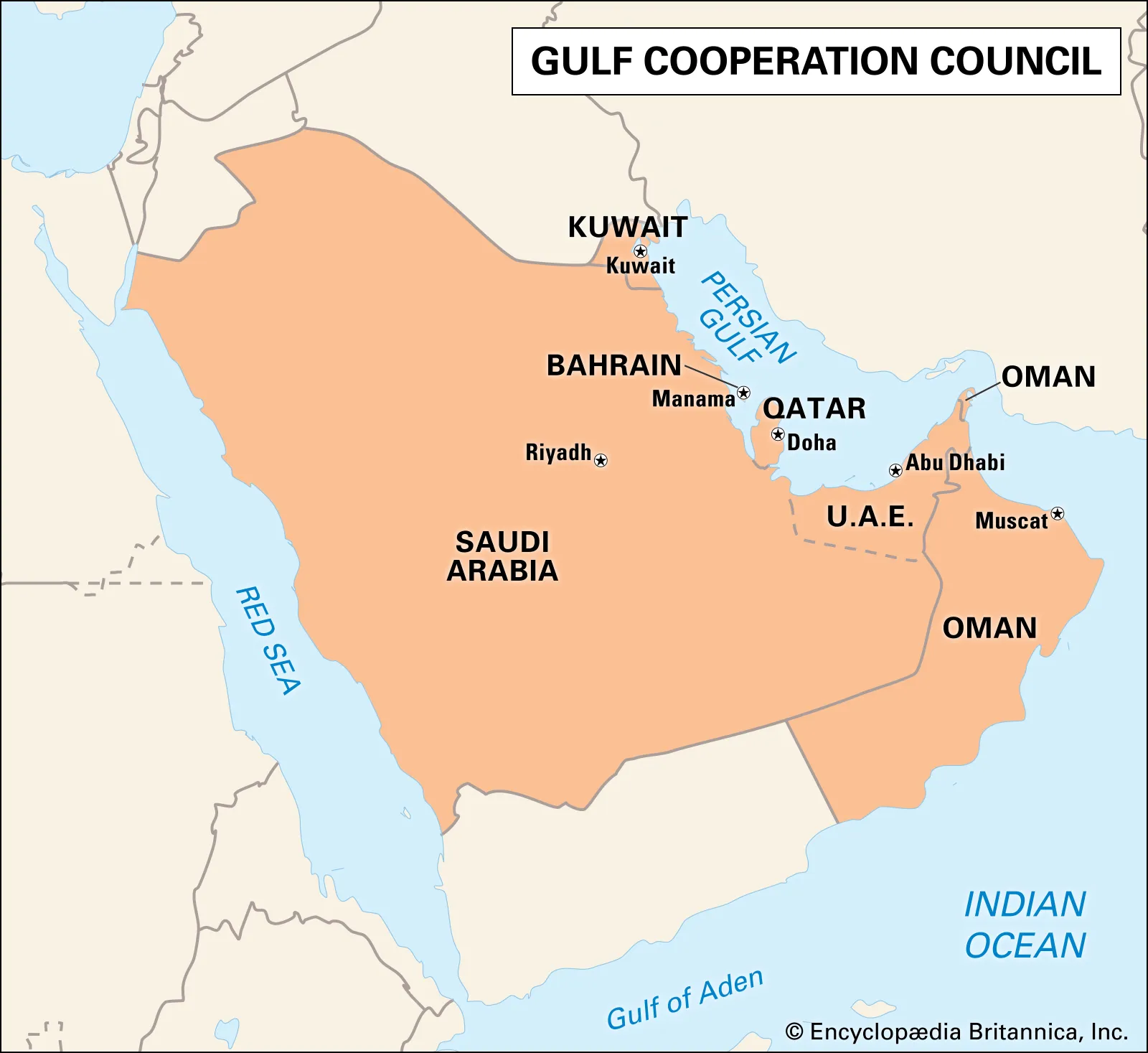
- The GCC has approved a new "one-stop" travel system that will allow citizens to complete immigration, customs, and security checks at a single checkpoint before departure for intra-Gulf flights.
- This system, starting with a pilot phase between the UAE and Bahrain in December 2025, aims to reduce airport processing times and enhance regional integration, potentially expanding to all six member states (Saudi Arabia, Oman, Qatar, Kuwait, Bahrain, UAE).
- This initiative is modeled after the European Union's Schengen coordination and is part of a broader effort toward seamless travel and economic integration in the Gulf.
Key Facts about the GCC:
- Founded on May 25, 1981.
- Members: Bahrain, Kuwait, Oman, Qatar, Saudi Arabia, UAE.
- Main objectives include coordination, integration, and cooperation across economic, social, and cultural fields.
- The GCC has pursued a common market, labor mobility, tax coordination, and professional certification interoperability.
- Maintains a defense planning council to coordinate military cooperation.
- The presidency of the council rotates annually.
Relevance of the GCC in 2025:
- The GCC remains strategically significant due to its role as a global energy hub, contributing majorly to oil and gas markets.
- It attracts strong foreign direct investment (FDI), supported by infrastructure projects, economic diversification efforts, and ambitious renewable energy goals.
- Despite regional geopolitical tensions, the council emphasizes regional integration, visa harmonization, and cross-border infrastructure as means to sustain competitiveness.
- GCC economies are projected to grow about 3% in 2025 and 4.1% in 2026, driven increasingly by non-oil sectors.
- GCC countries increasingly act as mediators in regional geopolitical conflicts, enhancing their diplomatic importance.
- India-GCC bilateral trade was around USD 178.56 billion in 2024-25, showing deep economic ties.?
Siliguri Corridor
Why in news?
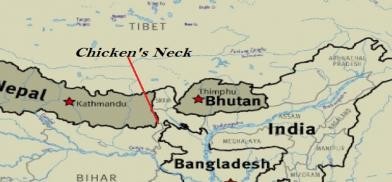
- India has significantly reinforced its military presence in the strategic Siliguri Corridor, also known as the "Chicken's Neck."
- Three new army garrisons have been established near the Bangladesh border at Bamuni (near Dhubri), Kishanganj, and Chopra, aiming to enhance security, surveillance, and rapid troop deployment.
Location and Dimensions
- The Siliguri Corridor is a narrow land stretch in West Bengal, India.
- It is approximately 200 kilometers long.
- Its width at the narrowest point is about 20 to 22 kilometers.
- It connects mainland India to the eight northeastern states.
Strategic Importance
- Known as the "Chicken's Neck" due to its narrow shape resembling a neck.
- It is India’s only land route to the northeast, making it a critical lifeline for transportation, trade, and military logistics.
- It enables rapid troop movement and supply transfer to sensitive border areas, especially close to China via Sikkim and Arunachal Pradesh.
Geopolitical Context
- The corridor is bordered by three different countries: Nepal, Bhutan, and Bangladesh.
- The nearby Chumbi Valley, between Sikkim and Bhutan, is a strategic point near Chinese territory.
- Sikkim merged with India in 1975, expanding the corridor's northern geography.
Economic and Social Significance
- It supports approximately 80–90% of goods transported to northeastern India.
- Serves as a key trade route linking Bhutan, Nepal, and northeastern India, promoting regional economic integration.
- Acts as a gateway for tourism to destinations like Darjeeling, Gangtok, and Bhutan.
Vulnerabilities and Security Challenges
- Its narrow width makes it a potential choke point and vulnerable to external threats.
- The corridor has seen increased military garrisons and infrastructure upgrades for improved security.
- Any disruption in this corridor could isolate India’s northeast region, adversely affecting trade, movement, and defense.
Caracal

Why in news?
An Asiatic caracal was spotted in the Ramgarh region of Jaisalmer, Rajasthan, a significant rediscovery that highlights the urgent need to protect its habitat from threats like large-scale solar projects.
About
- Their name means "cat with black ears," derived from Turkish "karakulak".
- The caracal is a medium-sized wild cat native to Africa, the Middle East, Central Asia, and parts of India and Pakistan.
- It has a robust, slender body with long legs, a short face, and a relatively short tail; its fur is short, dense, and tawny-brown to reddish-tan with whitish underparts.
- Distinctive features include long black tufts on its ears (about 4.5 cm long), black facial markings, white patches around the eyes and mouth.
- The Caracal (Caracal caracal) is classified as Least Concern on the IUCN Red List globally due to its wide distribution across over 50 countries.
Habitat and Distribution
- Geographic Range: Widely distributed across Africa (excluding dense tropical forests and the inner Sahara) and through the Middle East, Central Asia, and northwestern India.
- Preferred Environment: Caracals are highly adaptable and prefer dry areas with some cover, such as savannas, scrublands, and rocky hills. They can tolerate arid conditions well.
e-Jagriti platform
Why in news?
As of November 2025, it has registered over 2.75 lakh users, including 1,388 NRIs, and facilitated around 1.3 lakh complaint filings with over 1.27 lakh cases disposed of efficiently.
About e-Jagriti Platform
- e-Jagriti is a flagship digital initiative by the Department of Consumer Affairs, Government of India, aimed at strengthening the consumer dispute redressal system nationwide.
- It computerizes and networks all Consumer Commissions at national, state, and district levels to ensure transparency, efficiency, and speedy resolution of consumer disputes.
- The platform integrates legacy systems like OCMS, e-Daakhil, NCDRC CMS, and CONFONET into one seamless interface, reducing fragmentation and promoting a unified experience.
- Consumers can file complaints online with simple OTP-based registration, upload documents, make digital or offline payments, and track case status in real time.
- It allows virtual hearings with features for consumers, advocates, and judges to participate remotely, facilitating accessible and speedy justice.
- The platform supports multilingual accessibility and includes voice-to-text and chatbot features to aid elderly and differently-abled users.
- NRIs can use the platform from abroad without any geographical barriers, enabling global access to consumer grievance redressal.
This digital platform represents a significant advancement in consumer protection in India by making grievance redressal faster, transparent, accessible, and technologically modernized.
Senkaku Islands
Why in news?
Recently, a China Coast Guard ship formation passed through the disputed waters of the Senkaku Islands.
About Senkaku Islands
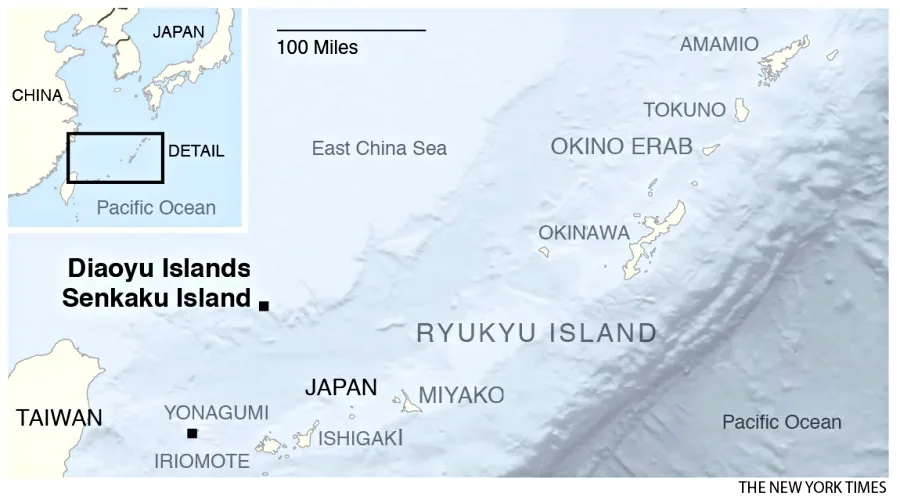
The Senkaku Islands are an uninhabited group of eight small islands and rocks in the East China Sea that are currently administered by Japan but also claimed by China (as the Diaoyu Islands) and Taiwan (as the Tiaoyutai Islands).
The dispute is a major source of tension in East Asia due to the islands' strategic location and potential natural resources.
Key Facts
- Location: East China Sea, located northeast of Taiwan and southwest of Okinawa, Japan.
- Administration: Japan has administered the islands since 1972, and views them as an inherent part of its territory. They are part of Ishigaki City, Okinawa Prefecture.
- Claimants: Japan, China, and Taiwan all claim sovereignty.
- Status: The islands are uninhabited, but were home to Japanese residents running a dried bonito factory and other businesses before World War II.
- Significance: The surrounding waters contain rich fishing grounds and potential oil and natural gas reserves. They are also strategically important for regional maritime control and security.
Historical Claims
The dispute largely hinges on events in the late 19th and mid-20th centuries:
The dispute largely hinges on events in the late 19th and mid-20th centuries:
- Japan's Position: Japan claims it surveyed the islands in the late 19th century and found them to be terra nullius (land belonging to no one) before formally incorporating them in January 1895. After World War II, the islands were placed under US administration as part of the Nansei Shoto island chain and reverted to Japanese control in 1972 under the Okinawa Reversion Agreement.
- China's Position: China argues that historical records, some dating back to the Ming Dynasty (15th century), show the islands were part of Chinese territory and used as navigation markers and a coastal defense area. China contends that Japan seized the islands during its imperial expansion and that they should have been returned with Taiwan after the war under the terms of the Cairo and Potsdam Declarations.
- Taiwan's Position: Taiwan's claims largely align with China's, viewing the islands as part of Taiwan's Yilan County.
Current Situation and Geopolitics
The territorial dispute remains a flashpoint for regional security, involving the United States through its mutual defense treaty with Japan.
The territorial dispute remains a flashpoint for regional security, involving the United States through its mutual defense treaty with Japan.
- US Stance: The US takes no position on the ultimate sovereignty of the islands but officially recognizes Japan's administration over them. Under Article 5 of the US-Japan security treaty, the US is obligated to defend the islands if they are attacked.
- Ongoing Tensions: China regularly sends Coast Guard vessels into the contiguous zone and territorial waters around the islands to assert its claims, leading to frequent standoffs with the Japan Coast Guard. These incidents have increased the risk of miscalculation or open conflict in the region.
Sakurajima Volcano
Why in news?
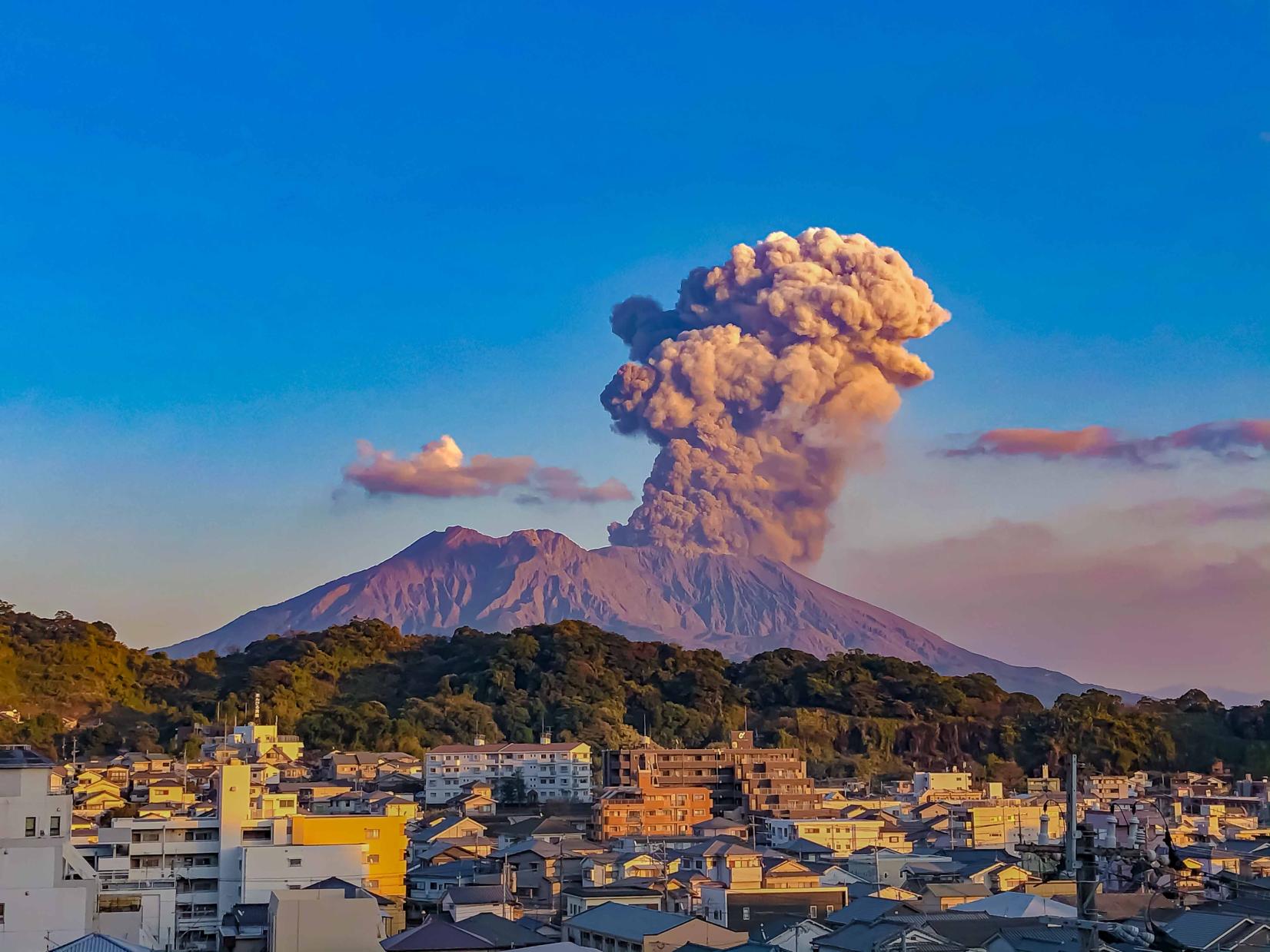
Recently, Japan’s Sakurajima volcano erupted multiple times and sent a plume of smoke and ash as high as 4.4 kilometres into the air.
Key facts about Sakurajima Volcano
Location and Type
- Sakurajima is a stratovolcano located in Kagoshima Prefecture, Kyushu, Japan, standing 1,117 meters tall with an area of about 80 km² and a circumference of approximately 52 km.
Structure and Peaks
- The volcano has three main peaks: Kita-dake (north), Naka-dake (central), and Minami-dake (south). Minami-dake is the currently active summit.
- The lava flows from the 1914 eruption connected Sakurajima, formerly an island, to the ?sumi Peninsula, turning it into a peninsula.
Hazards and Monitoring
- Eruptions are typically explosive, producing ash, pyroclastic flows, volcanic bombs, and poisonous gases. The lava is andesitic, making it thick and gas-rich.
- The Japan Meteorological Agency closely monitors Sakurajima and issues eruption alerts; a Level5 (highest) alert was issued in July 2022 after a powerful eruption.
Significance
- Sakurajima is a symbol of Kagoshima Prefecture and is one of the world's most studied active volcanoes due to its accessibility and frequent activity.
- Its eruptions have shaped the local environment and influenced regional culture and disaster preparedness.
White collar terrorism
About
- "White collar terrorism" refers to a emerging trend where educated professionals use their expertise, social status, and access to institutional resources to facilitate or execute terrorist activities.
- This phenomenon contrasts sharply with the traditional view of radicalization, which often focused on the disenfranchised or economically vulnerable.
Key Characteristics
- Perpetrators: Typically well-educated individuals, such as doctors, engineers, or IT professionals, often from urban, middle-class backgrounds.
- Motivation: Primarily driven by ideology and online radicalization, rather than solely by socio-economic grievances.
- Methods: Operatives weaponize their specialized skills, such as technical, medical, or digital expertise, for planning and executing high-impact, strategically planned attacks. They use encrypted platforms for communication and may plan sophisticated methods like modifying drones for weaponization.
- Funding: Operations are often self-funded using legitimate personal income, which helps bypass traditional financial intelligence monitoring systems designed to flag illicit money transfers (e.g., hawala).
- Detection Challenges: These individuals are hard to detect because they have "clean skins" (no prior criminal record or known links to terror networks) and strong social integration, making traditional profiling methods less effective.
Examples
- The term has recently gained prominence in Indian counter-terrorism vocabulary following a series of arrests and investigations into a terror module linked to a blast in Delhi.
- Authorities uncovered a network involving several medical professionals who allegedly used their positions and resources to provide logistical support, store explosives, and plan attacks.
Counter-terrorism Response
- Combating white collar terrorism requires "smarter surveillance," advanced AI analytics, strict employee vetting, and targeted intelligence gathering over conventional methods.
- Existing deradicalization models often need adjustment to address the ideological motivations of educated, opportunity-rich professionals.
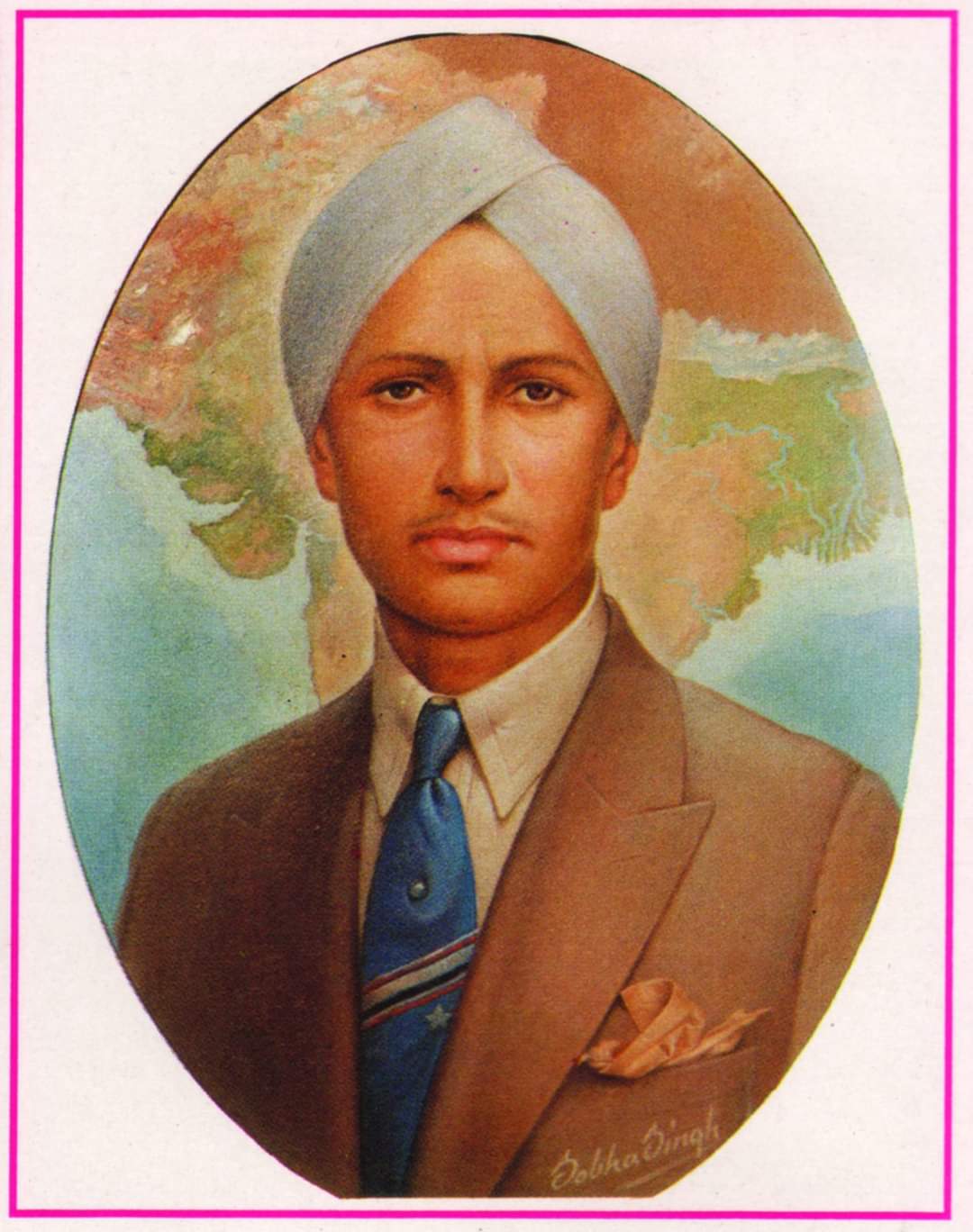
Kartar Singh Sarabha
Why in news?
On November 16, 2025, Punjab Chief Minister paid floral tributes on the martyrdom anniversary of Kartar Singh Sarabha.
Role in the Independence Movement
- Sarabha was a prominent member of the Ghadar Party, a revolutionary organization aiming to overthrow British colonial rule in India through armed struggle.
- He actively participated in efforts to incite rebellion among Indian soldiers in the British Army during World War I, particularly in Punjab and other regions with significant Indian military presence.
- He was involved in spreading revolutionary ideas, publishing leaflets, and mobilizing Indian workers, students, and soldiers for the independence cause.
- Sarabha traveled from the United States to India to assist the Ghadar Party and to foster rebellion against the British.
- He was arrested in 1915 along with other revolutionaries and faced charges for his role in the planned mutiny and rebellion.
- Due to his active participation in planning revolutionary acts, he was found "the most dangerous of all the rebels" by the authorities.
Sarabha is remembered as one of the youngest martyrs of India’s freedom movement, and his sacrifices remain celebrated in Indian history.
Integrated Forum on Climate Change and Trade (IFCCT)
Why in news?
The Integrated Forum on Climate Change and Trade (IFCCT) is a new global platform formally launched at COP30 in Belém, Brazil, on November15,2025, under the leadership of the COP30 Presidency.
Key Details
- Aim: It seeks to create a dedicated, politically supported space for government officials and stakeholders to align trade and climate policies.
- Nature: The forum is a non-negotiating, non-binding platform. It does not aim to adjudicate disputes or create new financial obligations, but rather to generate non-binding reference materials and enable experimentation on new approaches.
- Membership: Participation is open to all parties of the United Nations Framework Convention on Climate Change (UNFCCC).
- Governance: The Forum will be co-presided by Brazil and a developed country partner and will run for an initial phase of three years (early 2026 to end 2028). The Secretariat is anchored by the TESS (Trade, Equity, and Sustainable Societies) forum.
- Context: The forum was created in response to growing tensions around trade-related climate measures, such as the European Union's Carbon Border Adjustment Mechanism (CBAM), which some developing countries worry may create trade barriers and impact their economies.
Objectives
- Creating a space for dialogue on progressive solutions.
- Supporting progress across multilateral climate and trade regimes (UNFCCC and WTO).
- Reducing friction at the trade-climate interface.
- Promoting inclusive opportunities in the low-carbon transition.
- Bridging government and stakeholder communities.
Eurasian Economic Union (EAEU)

Why in news?
- Commerce Secretary Rajesh Agrawal met EAEU officials in Moscow to accelerate the India-EAEU FTA, boost trade diversification, and strengthen supply-chain resilience, targeting $100 billion trade by 2030.
- Focus areas included expanding Indian exports in pharmaceuticals, telecom, machinery, leather, automobiles, and chemicals.
- Both sides agreed on quarterly regulator-level engagements to address certification and non-tariff barriers and explored collaboration in critical minerals.
About EAEU
- Member States: The EAEU consists of five countries—all former Soviet republics: Russia, Belarus, Kazakhstan, Kyrgyzstan, and Armenia.
- Establishment: The Treaty on the Eurasian Economic Union was signed on May 29, 2014, and the union came into effect on January 1, 2015.
- Historical Background: It evolved from earlier integration efforts such as the Eurasian Customs Union (2010) and the Single Economic Space (2012).
- Population and Economy: The EAEU comprises about 180 to 200 million people with a combined GDP of over $2.4 to $5 trillion, making it a significant economic bloc in Eurasia.
- Objectives: The union aims to raise economic competitiveness, increase cooperation among members, promote stable economic development, and improve living standards.
- Market Integration: The EAEU provides for free movement of goods, services, capital, and labor among member states, as well as coordinated policies in macroeconomics, transport, industry, agriculture, energy, foreign trade, customs, technical regulation, competition, and antitrust.
- Governance: The Union is governed by the Supreme Eurasian Economic Council (comprising the heads of member states) and a regulatory body called the Eurasian Economic Commission, which is responsible for the union's functioning and development.
- Historical Background: It evolved from earlier integration efforts such as the Eurasian Customs Union (2010) and the Single Economic Space (2012).
Systematic Observation Impact Bond
Why in news?
The Systematic Observation Impact Bond (SOIB) recently opened for contributions at COP30 on November 14, 2025, aiming to raise $200 million by the end of 2026 to close critical weather and climate data gaps in vulnerable nations.
About
- The Systematic Observation Impact Bond (SOIB) is an innovative climate finance mechanism designed to close critical weather and climate data gaps in the world's most vulnerable nations.
- Pioneered by the UN's Systematic Observations Financing Facility (SOFF), the bond uses a "pay-for-success" model where investor returns are contingent on achieving measurable outcomes in data sharing.
Purpose and Goals
- The SOIB aims to increase the generation and international sharing of weather and climate data from LDCs and SIDS, which currently lack sufficient observations.
- This improved data is vital for accurate weather forecasts and early warning systems, which are crucial for protecting lives and livelihoods from extreme weather.
- Closing this data gap is expected to yield significant economic benefits, estimated at $5 billion annually in direct benefits and up to $160 billion in broader economic gains across various sectors.
- The bond provides an innovative funding method for a global public good by combining capital from public, private, and philanthropic sources and shifting the risk of project failure from governments to investors.
Implementation and Impact
- Structured as an impact bond, repayment to investors depends on achieving pre-defined measurable results verified independently.
- The bond supports frontline climate resilience in vulnerable countries, helping in better preparation for extreme weather and climate hazards.
- Expected improvements include up to 30% reductions in forecast errors in Africa and 20% in the Pacific region.
- The bond aligns with international climate action goals and is showcased as part of the COP30 Action Agenda.
Food Waste Breakthrough
Why in news?
There has been a significant breakthrough called the "Food Waste Breakthrough," launched by the United Nations Environment Programme (UNEP) and partners at COP30 in Belém, Brazil, in November 2025.
About Food Waste Breakthrough
- COP30 also highlighted the need to integrate food loss and waste reduction into national climate plans (NDCs).
- As of early November 2025, only 30 countries included food loss or waste in their NDCs.
- Brazil, as the host, emphasized national policy on food waste reduction and used local produce for conference meals to demonstrate a sustainable food system.
Key Details of the Food Waste Breakthrough
- Goals: This 2030 Climate Solution initiative aims to halve global food waste and cut methane emissions by up to 7%.
- Partners and Funding: Launched by the UN Environment Programme (UNEP) and partners, the initiative has secured a US$3 million commitment from the Global Environment Facility (GEF) for a four-year global project.
- Participants: The initiative brings together governments (including Brazil, Japan, and the UK), cities, civil society, and private sector companies such as Carrefour, Citibank, Google, and Hilton.
- Implementation: The program focuses on capacity building, data & policy improvements, and finance & implementation, including a US$5 million challenge fund for community innovations in developing countries.
- Significance: With food waste contributing up to 10% of global greenhouse gas emissions, reducing it is seen as a cost-effective way to address climate change and hunger.
Raulane Festival

Why in news?
The latest news regarding the Raulane Festival is that striking, centuries-old photos from the ancient Himachali ritual have recently gone viral on social media, sparking global fascination.
About
- An ancient and mystical winter or early spring festival celebrated in the Kinnaur district of Himachal Pradesh, India.
- Purpose: The festival honors the Sauni, or celestial fairies, who are believed to descend from the mountains to protect the villagers during the harsh winter months. The ritual is a symbolic send-off as the fairies return to their celestial homes.
- Key Rituals: Central to the ceremony are two men, chosen to embody the Raula (groom) and the Raulane (bride).
- Attire: The participants wear elaborate traditional Kinnauri woollen clothing and have their faces completely covered with masks or cloth.
- Location: The main rituals, including a slow, symbolic dance, take place at the historic Nagin Narayan temple in Kalpa.
- Tradition vs. Spectacle: Locals stress that the festival is an uncommercialized act of faith for their community and ancestors, not a performance for outsiders.
Anegada Passage
Why in news?
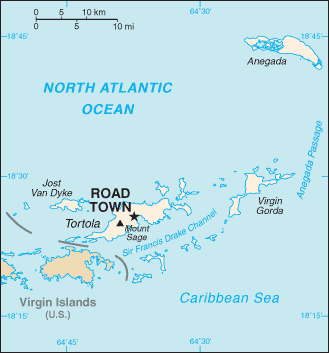
Recently the U.S. Navy's advanced USS Gerald R. Ford carrier strike group transit through the strait on November 16, 2025, as part of a major military buildup for a counter-narcotics operation in the Caribbean.
About
- The Anegada Passage is a channel in the West Indies connecting the Atlantic Ocean with the Caribbean Sea.
- It is about 40 miles (65 km) wide.
- The passage separates the British Virgin Islands to the west from the Leeward Islands to the southeast.
- It is the deepest channel in the eastern Caribbean, with depths exceeding 7,550 feet (2,300 meters).
Significance
- It is a major shipping lane for vessels transiting to and from the Panama Canal, making it important for maritime trade.
- The passage represents one of the two main sills through which oceanic deep water flows into the Caribbean Sea, influencing water circulation and marine ecosystems.
- The passage is known for challenging sailing conditions, with strong winds and waves making navigation difficult.
- It plays a role in oceanographic processes impacting the Atlantic Meridional Overturning Circulation (AMOC) by serving as a pathway for subtropical gyre inflow and cross-equatorial water flow.
- Ecologically, it is adjacent to coral reefs and marine habitats important for biodiversity in the Caribbean region.

