CA-13/11/2025
KL peace accord
The KL (Kuala Lumpur) Peace Accord refers to a landmark peace agreement signed on October 26, 2025, between Thailand and Cambodia to resolve an escalating border conflict that had resulted in armed clashes, casualties, and the displacement of hundreds of thousands of people since July 2025.
Background and Context
The accord followed a period of military escalation and clashes along the Cambodia–Thailand border, especially around disputed temple sites like Preah Vihear and Prasat Ta Muen Thom.
An immediate July 2025 ceasefire (sometimes called the Putrajaya Agreement) set the stage for further negotiations, with ASEAN and international mediation playing a key role.
Terms of the KL Peace Accord
Peace Principles and Non-Use of Force: Both countries reaffirmed strict adherence to the UN Charter and ASEAN Charter principles, pledging to resolve all disputes peacefully and respect current boundaries. They committed to refrain from threats or use of force.
Implementation of Existing Border Agreements: The accord reconfirmed the validity and use of existing mechanisms such as the General Border Committee, Regional Border Committee, and Joint Boundary Commission for peaceful settlement of border issues.
Military De-Escalation:
Both sides agreed to withdraw heavy and destructive weapons from the border areas under the supervision of an ASEAN Observer Team (AOT).
- Military liaison teams will draft a detailed action plan with clear timelines for withdrawal and de-escalation.
- The AOT, including Malaysian troops, will monitor the implementation to prevent further hostilities.
- Information Restraint: Both governments committed to avoiding misinformation, false accusations, and harmful rhetoric in official and unofficial communication to reduce tensions.
Confidence-Building and Diplomatic Restoration: The accord mandates immediate implementation of joint civil-military programs and border coordination frameworks, aiming to fully restore diplomatic relations and promote mutual trust.
Humanitarian Demining: Joint operations will be conducted to remove landmines and unexploded ordnance to safeguard civilian lives and aid socioeconomic development in the border region.
Cessation of Hostilities and Prisoner Release:
Humanitarian Demining: Joint operations will be conducted to remove landmines and unexploded ordnance to safeguard civilian lives and aid socioeconomic development in the border region.
Cessation of Hostilities and Prisoner Release:
- The declaration recognizes the end of active hostilities upon completion of de-escalation.
- Thailand committed to promptly releasing 18 Cambodian soldiers captured during the July 2025 conflict as a confidence-building gesture. The prisoner release began promptly following the signing.
- Transnational Crime Cooperation: Both countries agreed to strengthen coordination against trafficking, illegal arms trade, smuggling, and related cross-border crimes.
Timelines and Implementation
- The formal signing of the accord happened on October 26, 2025, during the 47th ASEAN Summit in Kuala Lumpur, with the enforcement expected to start immediately as per specific provisions.
- Following the July 28, 2025, Putrajaya ceasefire, the KL Peace Accord builds on that foundation, marking a move from ceasefire to detailed peace implementation.
- Immediate steps post-signing included prisoner releases and the initial phases of military de-escalation under ASEAN observer supervision.
- The timeline for full troop withdrawal, military de-escalation, and humanitarian demining is to be detailed by joint military liaison teams, under the overall monitoring of the ASEAN Observer Team but is expected to proceed progressively over weeks to months based on operational logistics and trust-building progress.
Immediate and Longer-Term Impact
The KL Peace Accord was widely applauded as a critical de-escalation step for the region, reinforcing ASEAN’s diplomatic role.
While the agreement brought immediate relief and monitoring mechanisms, analysts note that the long-term repair of Cambodia–Thailand relations and effective border management will require ongoing trust, joint action, and adherence to the agreement’s spirit.
Signatories and Witnesses
| Signatory | Position | |
|---|---|---|
| Hun Manet | Prime Minister of Cambodia | |
| Anutin Charnvirakul | Prime Minister of Thailand | |
| Witness | Position | |
| Anwar Ibrahim | Prime Minister of Malaysia | |
| Donald Trump | President of the United States | |
The KL Peace Accord is now viewed as a case study for ASEAN’s cooperative security model and mediation in Southeast Asia’s complex border disputes.
Climate Risk Index 2026
The Climate Risk Index (CRI) 2026 report, published by the environmental think tank Germanwatch at COP30 in November 2025, highlights the human and economic impacts of extreme weather events from 1995 to 2024.
Key Global Findings (1995–2024)
- Fatalities: More than 832,000 lives were lost globally.
- Affected Population: Approximately 5.7 billion people were affected by climate-related disasters.
- Economic Losses: Direct economic losses reached nearly USD 4.5 trillion (inflation-adjusted).
- Primary Hazards: Storms and heatwaves caused the majority of fatalities (33% each), while storms were responsible for the greatest economic losses (58%).
- Affected Countries: Countries in the Global South, particularly low- and lower-middle-income nations, are disproportionately affected.
Trends and Insights
- Increasing Impact: The report emphasizes that the frequency and severity of climate-related disasters continue to escalate, with rising impacts on vulnerable populations in particular.
- Disproportionate Burden: Developing countries and small island states face the most severe impacts despite contributing minimally to emissions. The report calls for urgent mitigation, adaptation, and climate finance efforts.
- Policy and Action Gap: While 62 countries have submitted National Adaptation Plans, actual implementation remains weak, underscoring the need for scaled climate finance and operationalizing loss and damage mechanisms.
Most Affected Countries
The index is retrospective, ranking countries based on realized risks.
| Rank | Long-term Index (1995–2024) | Annual Index (2024) |
| 1 | Dominica | Saint Vincent and the Grenadines |
| 2 | Myanmar | Grenada |
| 3 | Honduras | Chad |
| 9 | India | (Ranked 15th for 2024 data) |
India Specifics
- India is categorised as a country facing "continuous threats" from recurring extreme events, leaving little time for recovery.
- Over the three decades, India experienced nearly 430 extreme weather events (floods, cyclones, heatwaves, droughts).
- These events resulted in over 80,000 fatalities and approximately USD 170 billion in economic losses.
The report underscores the urgent need for accelerated global climate action, better adaptation strategies, and robust climate financing mechanisms to address the growing human and economic toll of climate change.
Critical Call to Action
The CRI 2026 underscores the escalating cost of inaction and emphasizes the urgent need for global efforts to reduce emissions, improve resilience, and implement comprehensive adaptation measures. The report aligns with the goals set at COP30, promoting climate justice and increased climate finance to address mounting losses and fatalities.
The index serves as a stark reminder that without immediate and scaled policy responses, human and economic tolls from climate change will continue to rise globally.
Critical Call to Action
The CRI 2026 underscores the escalating cost of inaction and emphasizes the urgent need for global efforts to reduce emissions, improve resilience, and implement comprehensive adaptation measures. The report aligns with the goals set at COP30, promoting climate justice and increased climate finance to address mounting losses and fatalities.
The index serves as a stark reminder that without immediate and scaled policy responses, human and economic tolls from climate change will continue to rise globally.
Vanadium
Recently, the union Minister for Power inaugurated India’s first MWh-scale Vanadium Redox Flow Battery (VRFB) system at NTPC’s NETRA (Noida).
About Vanadium
Vanadium(V) is a hard, silvery-grey transition metal with the atomic number 23, known for its corrosion resistance and ability to form strong alloys and vibrantly colored compounds. It is a critical component in steel production and increasingly important for large-scale energy storage.
Key Properties
Vanadium is a malleable and ductile metal that is rarely found in its pure, free elemental form in nature.
| Property | Value | Source |
| Atomic Number | 23 | |
| Symbol | V | |
| Atomic Weight | 50.9415 u | |
| Appearance | Silvery-gray metal | |
| Melting Point | 1910 °C (3470 °F) | |
| Boiling Point | 3407 °C (6165 °F) | |
| Density | 6.11 g/cm³ | |
| Oxidation States | +2, +3, +4, +5 |
A distinctive characteristic of vanadium is its ability to exist in multiple oxidation states, which form compounds of various vivid colors in aqueous solution: violet (+2), green (+3), blue (+4), and yellow (+5).
Occurrence and Production
Vanadium is the 20th to 22nd most abundant element in the Earth's crust and is found in approximately 65 different minerals, including vanadinite, carnotite, and patronite. It is also present in some iron ores, phosphate rock, and fossil fuel deposits such as crude oil and coal.
The majority of the world's vanadium production comes from China, South Africa, and Russia. It is often obtained as a byproduct of iron and steel production or uranium mining.
Primary Uses
Approximately 85% of produced vanadium is used as an additive to steel, forming an alloy called ferrovanadium.
- Steel Alloys: Small additions of vanadium significantly increase the strength, toughness, and heat resistance of steel, making it ideal for axles, crankshafts, gears, high-speed tools, and surgical instruments.
- Aerospace: Alloys with titanium and aluminum are used in jet engines and airframes due to their excellent strength-to-weight ratio.
- Energy Storage: Vanadium redox flow batteries (VRFBs) use vanadium's various oxidation states for large-scale, long-duration grid energy storage. These water-based batteries are safe and non-flammable.
- Catalysis: Vanadium pentoxide (?2?5) is a crucial catalyst in the industrial production of sulfuric acid, and in the manufacture of certain dyes and ceramics.
Nuclear Applications: Vanadium alloys are used in nuclear reactors due to their low neutron-absorbing properties.
Biological Role and Toxicity
Biological Role and Toxicity
- Vanadium is considered a trace mineral and might be essential in very small quantities for humans, though its exact function is unclear. It can be found in common foods like mushrooms, shellfish, and black pepper.
However, vanadium and its compounds can be toxic in larger doses. High exposure, especially to dust or fumes, can irritate the eyes, skin, and respiratory tract, and potentially cause damage to the kidneys or nervous system. Some studies suggest vanadium compounds may have an insulin-enhancing effect, but they are not approved for general medical use and should be monitored carefully by a healthcare professional if taken as supplements.
Export Promotion Mission
Recently, the union cabinet has approved the Export Promotion Mission (EPM) which was announced in the Union Budget 2025–26.
About Export Promotion Mission
The Export Promotion Mission (EPM) is an initiative by the Indian government to enhance the competitiveness of Indian exports, particularly focusing on MSMEs and labor-intensive sectors. Approved with an outlay of 25,060 crore for six years (FY 2025-26 to FY 2030-31), it aims to consolidate various export support programs into a unified and adaptable mechanism.
Core Features
- Financial Outlay and Duration: The EPM has a budget of 25,060 crore for six financial years (FY 2025–26 to FY 2030–31).
- Two Integrated Sub-Schemes: The mission operates through two pillars:
- Niryat Protsahan (Export Promotion): Focuses on financial support like interest subvention, export factoring, and credit guarantees for MSMEs, including credit cards for e-commerce exporters.
- Niryat Disha (Export Direction): Provides non-financial support for market readiness, including assistance for international branding, trade fairs, logistics, and compliance with international standards.
- Consolidation of Schemes: The EPM combines existing export support schemes like the Interest Equalisation Scheme (IES) and Market Access Initiative (MAI) into a unified framework.
- Targeted Beneficiaries: It prioritizes MSMEs, new exporters, and labour-intensive sectors such as textiles, leather, gems & jewellery, engineering goods, and marine products.
- Digital and Flexible Framework: The mission utilizes a digital platform managed by the Directorate General of Foreign Trade (DGFT) to adapt to changing global trade conditions.
- Collaborative Approach: The EPM involves multiple government departments, financial institutions, and industry bodies to ensure a coordinated strategy.
- Addressing Structural Challenges: The mission aims to resolve issues like the cost of trade finance, compliance expenses, branding, and logistics bottlenecks.
Key Objectives
- To strengthen the export competitiveness of Indian exporters in the face of global trade challenges.
- To provide targeted support for Micro, Small, and Medium Enterprises (MSMEs).
- To consolidate existing support programs like the Interest Equalisation Scheme (IES) and Market Access Initiative (MAI).
- To generate employment across related sectors.
Way Forward
- Strengthen trade finance by ensuring timely and affordable credit access for MSMEs, leveraging digital platforms.
- Enhance market intelligence capabilities to identify and penetrate new export markets using data-driven mechanisms.
- Promote the "Brand India" image through global marketing, improved packaging, and enhanced e-commerce support.
- Address structural bottlenecks such as inadequate logistics infrastructure and reduce compliance burdens for exporters.
- Leverage free trade agreements (FTAs) and upcoming trade deals to expand market access and diversify export destinations.
- Adopt a sector-specific approach with set export targets monitored by relevant ministries, ensuring focused growth.
Conclusion
The Export Promotion Mission marks a decisive and strategic shift from fragmented schemes to a unified, outcome-based export support mechanism aimed at bolstering India’s export resilience amid rising global protectionism and tariff barriers. It signifies a policy move towards sustainable, competitive, and inclusive export growth, supporting employment and helping diversify Indian exports into new geographies. By simplifying access to trade finance and improving export readiness, EPM positions India’s exports on a stronger footing for global challenges ahead, thus contributing significantly to the goal of expanding India’s export footprint and economic growth.
The Export Promotion Mission marks a decisive and strategic shift from fragmented schemes to a unified, outcome-based export support mechanism aimed at bolstering India’s export resilience amid rising global protectionism and tariff barriers. It signifies a policy move towards sustainable, competitive, and inclusive export growth, supporting employment and helping diversify Indian exports into new geographies. By simplifying access to trade finance and improving export readiness, EPM positions India’s exports on a stronger footing for global challenges ahead, thus contributing significantly to the goal of expanding India’s export footprint and economic growth.
India Botswana - Cheetah Translocation Pact
India and Botswana have officially announced a cheetah translocation pact, in which Botswana will send eight cheetahs to India as part of the latter's ongoing 'Project Cheetah'.
The announcement was made on November 12, 2025, during Indian President Droupadi Murmu's state visit to Botswana, the first ever by an Indian President.
Key Details:
- Number of Cheetahs: Eight cheetahs (including two males) will be translocated.
- Purpose: The initiative is a component of 'Project Cheetah', a unique wildlife conservation effort by India to re-establish the species in its historical range after its extinction in the country in 1952. The move aims to assist in the regeneration of the cheetah population and ensure genetic diversity, as Botswana hosts a large portion of Southern Africa's cheetah population.
- Logistics: The cheetahs, sourced from the Ghanzi town in the Kalahari Desert, have been moved to a quarantine facility at the Mokolodi Nature Reserve near Gaborone. A symbolic handover event was planned for November 14, 2025, with the actual transfer to India expected to occur in the coming months, possibly by January 2026, after necessary quarantine procedures and medical examinations are completed.
- Destination in India: The new batch of cheetahs is expected to be housed in either Kuno National Park or the Gandhi Sagar Wildlife Sanctuary in Madhya Pradesh, both of which have prepared the necessary enclosures and facilities.
- Alongside the cheetah pact, the two countries signed an MoU on healthcare and pharmaceuticals and discussed other cooperation areas such as ARV medicine supply from India to Botswana.
- India currently has around 27 cheetahs mostly from previous translocations from Namibia and South Africa, with some mortality reported due to climatic and health challenges; hence, the need for this fresh batch from Botswana.
- Commitment: President Murmu thanked her counterpart, President Duma Gideon Boko, for the gesture and assured that India would take good care of the animals.
This is the third batch of cheetahs to be moved to India under the project, following previous relocations of eight from Namibia in September 2022 and 12 from South Africa in February 2023.
Operation black forest
The latest news regarding 'Operation Black Forest' is the recent approval for establishing a jungle warfare college and battalion camping site within the Pamed Wildlife Sanctuary in Chhattisgarh, a move aimed at solidifying security forces' presence in the region following the operation's success.
Key Developments
- Jungle Warfare College: In November 2025, the standing committee of the National Board for Wildlife (SC-NBWL) recommended the Chhattisgarh government's proposal to alter the Pamed Wildlife Sanctuary's boundaries to build a new jungle warfare college and a security forces' camp. This is intended to bolster the permanent security infrastructure in the former Naxal stronghold.
- Operation Summary: 'Operation Black Forest', a 21-day joint offensive by the Central Reserve Police Force (CRPF) and Chhattisgarh Police, was the largest anti-Naxal operation ever conducted in the Karreguttalu Hill area along the Chhattisgarh-Telangana border. The operation, which ran from late April to mid-May 2025, successfully dismantled the Maoists' main base camp and supply chains.
- Impact: The operation resulted in the neutralization of at least 31 Maoists, including top leaders such as the general secretary of the CPI-Maoist, Nambala Keshav Rao alias Basavaraju. Additionally, 54 Naxalites were arrested and 84 surrendered across the affected states.
- Official Recognition: Union Home Minister Amit Shah felicitated the security personnel involved in the operation in September 2025, calling it a "golden chapter" in the fight against Naxalism.
- Future Goal: The government has reiterated its commitment to eliminate Naxalism from India by March 2026, viewing the success of 'Operation Black Forest' as a major step towards that goal.
Motor Neuron Disease
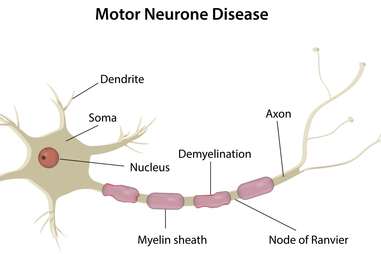
Scientists recently developed a breakthrough therapy that clears toxic proteins from nerve cells—a discovery that could transform the treatment of motor neuron disease (MND).
About Motor Neuron Disease
Motor neuron disease (MND) is a group of rare, progressive neurological disorders that damage motor neurons, the nerve cells that control voluntary muscles. This damage leads to muscle weakness, a gradual loss of movement, and eventually paralysis.
Key Aspects of Motor Neuron Disease
About Motor Neuron Disease
Motor neuron disease (MND) is a group of rare, progressive neurological disorders that damage motor neurons, the nerve cells that control voluntary muscles. This damage leads to muscle weakness, a gradual loss of movement, and eventually paralysis.
Key Aspects of Motor Neuron Disease
- Progressive Nature: MND is progressive, meaning symptoms worsen over time as more motor neurons die. It can significantly shorten life expectancy, particularly in forms like Amyotrophic Lateral Sclerosis (ALS), but the rate of progression varies widely among individuals.
- Unaffected Senses: In most cases, MND does not affect a person's senses (sight, hearing, touch, taste, smell), bladder or bowel function, or sexual function.
- Multidisciplinary Care: While there is no cure, a multidisciplinary healthcare team can help manage symptoms, maintain independence, and improve quality of life.
Types of Motor Neuron Disease
MNDs are classified by which motor neurons (upper in the brain, lower in the brainstem and spinal cord, or both) are affected and how they progress.
| Type | Affected Neurons | Key Symptoms | Prognosis |
| Amyotrophic Lateral Sclerosis (ALS) | Both upper and lower | Muscle weakness, stiffness, twitching, slurred speech, difficulty breathing/swallowing | Most common; life expectancy typically 2-5 years after onset |
| Progressive Bulbar Palsy (PBP) | Brainstem (bulbar) region | Difficulty speaking/swallowing, choking spells, emotional lability (inappropriate crying/laughing) | Shorter survival time than ALS on average |
| Progressive Muscular Atrophy (PMA) | Lower motor neurons | Slow, progressive muscle wasting and weakness, particularly in arms/legs, no upper motor neuron signs | Slower progression than ALS; generally not fatal in early stages but can progress to ALS |
| Primary Lateral Sclerosis (PLS) | Upper motor neurons | Muscle stiffness (spasticity) and weakness, typically in the legs first, progressing slowly | Very slow progression; usually not life-shortening |
| Spinal Muscular Atrophy (SMA) | Lower motor neurons | Inherited, affects children and adults with muscle weakness, often in trunk/limbs | Severity varies by type; some forms are life-threatening in infancy |
| Kennedy's Disease | Lower motor neurons | Inherited (affects men), muscle cramps/twitches, weakness in face/limbs, endocrine issues | Very slow progression, not life-shortening |
Symptoms
Early symptoms are often subtle and vary, but generally involve progressive, painless muscle weakness.
Common symptoms include:
- Weakened grip or stumbling/clumsiness.
- Muscle twitching (fasciculations) and cramps.
- Slurred speech or difficulty swallowing.
- Breathing difficulties and fatigue.
- Emotional lability (uncontrollable crying or laughing).
Causes
- The exact causes of most MND cases are unknown (sporadic cases account for 90-95%). A combination of genetic, environmental, and lifestyle factors is thought to play a role.
- Genetics: About 5-10% of cases are inherited due to specific gene mutations.
- Risk Factors: Age (typically diagnosed between 40 and 70), male sex, smoking, and exposure to certain toxins or heavy metals may increase risk.
Diagnosis
Diagnosis is challenging in the early stages as symptoms overlap with other conditions. A neurologist will use a combination of methods to rule out other diseases:
Diagnosis is challenging in the early stages as symptoms overlap with other conditions. A neurologist will use a combination of methods to rule out other diseases:
- Thorough medical history and physical examination.
- Electromyography (EMG) and nerve conduction studies (NCS): Measure electrical activity in muscles and nerves.
- MRI scans: Used to rule out structural issues, tumors, or other neurological conditions like multiple sclerosis.
- Blood and urine tests: To exclude metabolic or inflammatory causes.
Treatment and Management
There is no cure for MND, but treatments focus on managing symptoms and supporting quality of life.
- Medications: Drugs like riluzole (Rilutek) and edaravone (Radicava) may slightly slow the progression of ALS. Other medications can help with muscle stiffness, cramps, pain, and excessive saliva.
- Therapies: Physical, occupational, and speech therapy are vital for maintaining mobility, function, and communication.
- Supportive Care: Assistive devices (braces, wheelchairs, communication aids), nutritional support (feeding tubes if necessary), and respiratory support (non-invasive ventilation) are essential components of care.
Protection of Plant Varieties and Farmers’ Rights Authority
Recently, the Union Agriculture Minister at the 21st Foundation Day of the Protection of Plant Varieties and Farmers’ Rights Authority said that the Plant Variety and Farmers’ Rights Protection Authority Act will be amended.
About Protection of Plant Varieties and Farmers’ Rights Authority
The Protection of Plant Varieties and Farmers’ Rights (PPV&FR) Authority is an Indian statutory body established in November 2005 to implement the provisions of the Protection of Plant Varieties and Farmers’ Rights (PPV&FR) Act, 2001. Its primary function is to grant and protect intellectual property rights (IPRs) to plant breeders, researchers, and farmers who develop new or extant plant varieties, thereby encouraging agricultural innovation and growth of the seed industry while safeguarding traditional farming practices.
Structure of the Protection of Plant Varieties and Farmers’ Rights Authority
The Protection of Plant Varieties and Farmers' Rights Authority (PPV&FRA) is a statutory body consisting of a Chairperson and fifteen members, supported by a Registrar General and other administrative staff who manage the Plant Varieties Registry.
Composition of the Authority
- The Authority, established under the PPV&FR Act, 2001, comprises a Chairperson, fifteen members (both ex-officio and nominated), and a Registrar-General who serves as the ex-officio Member-Secretary.
- The Chairperson is an eminent person appointed by the Central Government with extensive experience in plant varietal research or agricultural development.
- The fifteen members include eight ex-officio members from various government departments and ministries, three representatives from State Agricultural Universities and State Governments, and one representative each from farmers' organizations, tribal organizations, the seed industry, and women's organizations associated with agriculture.
- The Registrar-General heads the Plant Varieties Registry.
Key Objectives and Functions
The Authority balances the rights of commercial breeders with those of traditional farmers:
The Authority balances the rights of commercial breeders with those of traditional farmers:
- Registration of Plant Varieties: It establishes and maintains the National Register of Plant Varieties, documenting and cataloguing all registered varieties (new, extant, and farmers' varieties). Varieties must meet the criteria of Distinctness, Uniformity, and Stability (DUS) to be registered.
- Protection of Plant Breeders' Rights: The Authority grants exclusive commercial rights to registered breeders for producing, selling, and marketing their new varieties for a specified period (15 years for field crops, 18 years for trees and vines).
- Protection of Farmers' Rights: It recognizes and protects the rights of farmers who have traditionally conserved, improved, and made available plant genetic resources. Specific farmers' rights include:
- Saving and Selling Seeds: Farmers can save, use, sow, re-sow, exchange, share, or sell their farm produce, including seed of protected varieties, as long as they do not sell it as "branded seed".
- Benefit Sharing: Farmers and communities who provide genetic material used in developing a registered variety are entitled to a share of the commercial benefits derived from that variety.
- Compensation: If a registered variety fails to perform as expected under recommended management conditions, farmers can claim compensation from the breeder.
- Exemption from Fees: Farmers are exempted from application and registration fees for their own varieties.
- Awards and Recognition: The Authority administers the National Gene Fund, which provides "Plant Genome Saviour Community Awards" and individual "Farmer Rewards & Recognitions" to farming communities and farmers for their contributions to conservation efforts.
- Ensuring Seed Availability: It can issue a compulsory license for a protected variety if its seed is not available to farmers in sufficient quantity or at a reasonable price after three years of registration.
Vitamin D
Personalized vitamin D dosing, guided by regular blood monitoring, significantly reduced recurrent heart attacks by 52% in a recent trial.
About Vitamin D
Vitamin D is a fat-soluble vitamin and conditionally essential hormone vital for bone health, muscle function, and immune system support. It helps the body absorb calcium and phosphorus, minerals necessary for strong bones and teeth.
Key Functions
About Vitamin D
Vitamin D is a fat-soluble vitamin and conditionally essential hormone vital for bone health, muscle function, and immune system support. It helps the body absorb calcium and phosphorus, minerals necessary for strong bones and teeth.
Key Functions
- Bone Health: Vitamin D's primary role is maintaining calcium and phosphorus levels in the blood, which prevents bone disorders like rickets in children and osteomalacia (softening of the bones) and osteoporosis (weakening of the bones) in adults.
- Muscle Function: It supports muscle strength, which can help reduce the risk of falls, especially in older adults.
- Immune System: The immune system requires vitamin D to fight off invading bacteria and viruses.
- Other Roles: Research suggests potential links to reduced risks of certain cancers, heart disease, autoimmune disorders, and type 2 diabetes, although more research is needed to confirm these non-skeletal benefits.
Sources of Vitamin D
| Source | Details |
| Sunlight | The skin produces vitamin D3 when directly exposed to ultraviolet B (UVB) rays from the sun. It is a major natural source, but factors like latitude, season, time of day, skin color, and sunscreen use can limit production. Health experts recommend limiting sun exposure without protection due to skin cancer risk. |
| Food | Very few foods naturally contain significant amounts of vitamin D. Good natural sources include fatty fish (salmon, tuna, mackerel, sardines), fish liver oils, beef liver, cheese, and egg yolks. |
| Fortified Foods | Many common foods have vitamin D added to them (fortified), such as milk, many breakfast cereals, and some brands of orange juice, yogurt, and plant-based milks. |
| Supplements | Vitamin D is available in two forms in supplements: D2 (ergocalciferol, from plants) and D3 (cholecalciferol, from animals/lichen). Both effectively raise blood levels, but D3 might raise them higher and for longer. |
Recommended Intake and Deficiency
The daily recommended amount of vitamin D varies by age. For most adults (ages 19-70), the recommendation is 600 IU (International Units), increasing to 800 IU for adults over 70.
Deficiency is a common global issue and often asymptomatic in its early stages. Risk factors include limited sun exposure, dark skin, older age, obesity, and conditions affecting fat absorption (e.g., celiac disease, Crohn's disease). A blood test (measuring 25-hydroxyvitamin D levels) can diagnose a deficiency.
Risks of Excessive Intake
Vitamin D toxicity (hypervitaminosis D) is rare and almost always occurs from overusing supplements, not from sun exposure. Symptoms are mainly due to a buildup of calcium in the blood (hypercalcemia) and can include nausea, vomiting, weakness, confusion, and kidney damage. The safe upper limit for adults is 4,000 IU per day, though higher doses may be prescribed by a healthcare professional to treat a diagnosed deficiency.
Oman
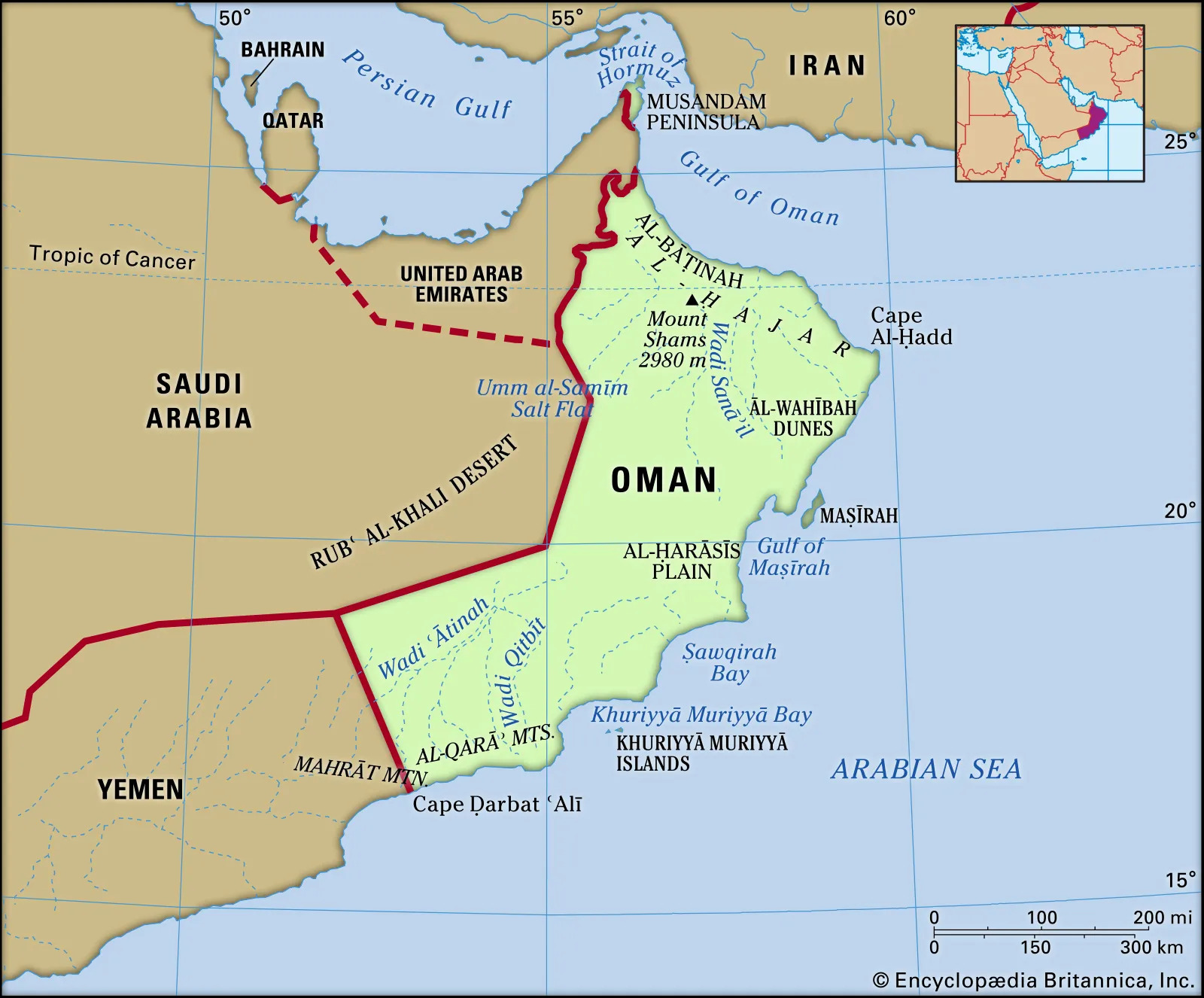
Recently, Oman has secured a seat on the International Coordinating Council of UNESCO’s Man and the Biosphere (MAB) Programme.
About Oman
Oman, officially the Sultanate of Oman, is an independent Arab country on the southeastern coast of the Arabian Peninsula. Known for its rich history, diverse landscapes, and warm hospitality, it blends ancient traditions with modernity. It is an absolute monarchy with Muscat as its capital and is home to the oldest continuously ruling royal family in Arabia, the Al Bu Said dynasty, in power since 1744.
Key Facts
- Capital and Largest City: Muscat.
- Official Language: Arabic, though English is widely spoken in cities.
- Religion: Islam is the official religion, with the majority of the population being Ibadi Muslim, a moderate branch of Islam.
- Government: Unitary Islamic absolute monarchy. The current Sultan is Haitham bin Tariq Al Said.
- Currency: Omani rial (OMR).
- Economy: A high-income economy with significant oil and natural gas reserves, tourism, and trade of fish and agricultural products. The country is working to diversify its economy through initiatives like Oman Vision 2040.
- Population: Approximately 5.49 million (2025 estimate), with a large expatriate population.
Geography and Climate
- Oman's terrain is diverse, featuring rugged mountains in the north and south, extensive sandy deserts in the central regions (part of the Rub' al Khali, or "Empty Quarter"), and a coastline along the Arabian Sea and the Gulf of Oman.
- The climate is generally hot and dry, with coastal areas experiencing high humidity in summer.
- The southern Dhofar region has a unique climate influenced by the summer monsoon (Khareef), making it more temperate and fertile.
Himalayan Black Bear
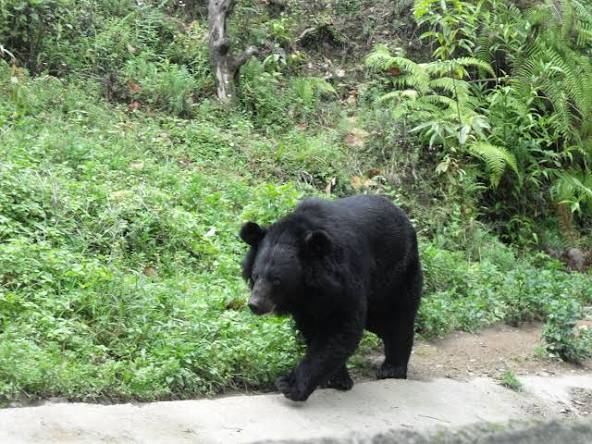
Recently, wildlife experts in Uttarakhand raised concern that Himalayan Black bears (Ursus thibetanus laniger) are turning aggressive as erratic weather disrupts their hibernation patterns.
About Himalayan Black Bear
The Himalayan black bear (Ursus thibetanus laniger) is a subspecies of the Asian black bear found throughout the Himalayan mountain range. Known for its distinctive, crescent-shaped white patch on its chest, it is a key species in its ecosystem but is listed as Vulnerable on the IUCN Red List due to habitat loss and poaching.
Key Characteristics
- Appearance: These bears have a glossy black coat, a light brown muzzle, and large, prominent ears. Their fur is longer and thicker than other Asian black bear subspecies, a necessity for the cold Himalayan climate.
- Size: On average, adults measure 1.4 to 1.7 meters (56 to 65 inches) from nose to tail and typically weigh between 90 and 120 kilograms (200 to 265 pounds). They can weigh up to 180 kg (400 pounds) in the autumn when preparing for hibernation.
- Behavior: They are skilled climbers and spend a significant amount of time in trees, foraging, resting, or avoiding danger. While naturally diurnal, many have become nocturnal to avoid human contact. In the colder, northern parts of their range, they hibernate during winter, descending to lower elevations.
Habitat and Diet
Himalayan black bears inhabit forested mountain areas across India, Nepal, Bhutan, China, and Pakistan. During the summer, they can be found at high altitudes (up to 3,000–3,700 meters), moving to lower, more tropical forests (around 1,500 meters) in the winter.
They are omnivorous, with a diet that varies by season.
Himalayan black bears inhabit forested mountain areas across India, Nepal, Bhutan, China, and Pakistan. During the summer, they can be found at high altitudes (up to 3,000–3,700 meters), moving to lower, more tropical forests (around 1,500 meters) in the winter.
They are omnivorous, with a diet that varies by season.
- Primary Diet: Acorns, nuts, fruits, honey, roots, and insects like termites and beetle larvae.
- Opportunistic Feeding: They may prey on small mammals or livestock (sheep, goats, cattle) if their natural food sources are scarce.
Conservation Status and Threats
The species is classified as vulnerable, with populations declining across much of its range. Major threats include:
- Habitat Loss: Deforestation, forest fires, and conversion of land for agriculture and human settlements are primary concerns.
- Poaching: Despite being legally protected since 1977, illegal hunting is a significant problem, primarily for their gall bladders and other body parts used in traditional Asian medicine.
- Human-Wildlife Conflict: As habitats shrink and food sources become erratic due to climate change, bears are increasingly coming into contact and conflict with human populations, leading to crop damage, livestock predation, and sometimes aggressive encounters.
Rare Earth Hypothesis

New insights from exoplanet studies revive and reshape the debate over the Rare Earth Hypothesis.
About Rare Earth Hypothesis
The Rare Earth hypothesis, proposed by Peter Ward and Donald Brownlee in their 2000 book Rare Earth, posits that while simple microbial life may be common in the universe, the evolution of complex, multicellular, and intelligent life requires a highly improbable combination of astrophysical and geological conditions, making it exceptionally rare. This idea contrasts with the Copernican Principle (or Mediocrity Principle), which suggests Earth is a typical planet and life should be common.
The hypothesis attempts to provide a solution to the Fermi Paradox ("Where is everybody?") by suggesting that the necessary conditions for complex life are so specific that Earth might be the only planet with advanced life in the Milky Way galaxy, or at least in our local region of the universe.
Key Conditions for Complex Life
According to the hypothesis, the following are some of the critical and rare conditions required for complex life to evolve and persist:
- Galactic Habitable Zone: The planet must be in a specific region of the galaxy (a narrow ring around the center in a spiral galaxy) where there are enough heavy elements to form rocky planets, but where radiation from the galactic center and supernovae is not too intense.
- A Stable Star and Planetary System: The central star must be a long-lived, stable G-type (Sun-like) or K-type star, and the planet must be in a stable, nearly circular orbit within the star's continuously habitable zone, allowing liquid water to exist on the surface for billions of years.
- A Terrestrial Planet of the Right Size: The planet must be large enough to retain an atmosphere and oceans, but not so large that it becomes a gas giant or develops a Venus-like runaway greenhouse effect.
- A Large Moon: Earth's unusually large Moon, formed by a giant impact event, is thought to be essential for stabilizing the planet's axial tilt, which in turn leads to stable seasons and climate over geological timescales.
- Plate Tectonics and a Strong Magnetic Field: Plate tectonics help regulate the planet's temperature through the carbon cycle, create diversified ecosystems, and contribute to the magnetic field that shields the surface from cosmic radiation.
- "Jovian Protector": The presence of gas giants like Jupiter in the outer solar system may help shield the inner planets from frequent asteroid and comet impacts, providing long periods of stability necessary for complex evolution.
DRISHTI System
The Indian Railways is planning to install a new AI-based Locking Monitoring System called – ‘DRISHTI’.
About DRISHTI System
- The DRISHTI system is an AI-based Freight Wagon Locking Monitoring System developed by the Northeast Frontier Railway (NFR) in collaboration with the Indian Institute of Technology Guwahati Technology Innovation and Development Foundation (IITG TIDF).
- It aims to tackle the operational challenge of identifying unlocked or tampered doors on moving freight wagons—a major issue for safety and security in India's rail logistics.
- Key features of the DRISHTI system include AI-powered cameras and sensors installed on freight wagons to capture and analyze door positions and locking status in real time.
- It uses advanced computer vision and machine learning algorithms to detect anomalies such as unlocked or tampered doors without disrupting train movement.
- The system automatically generates alerts for operators when irregularities are detected.
- Benefits of DRISHTI include reduced dependence on manual inspection, enhanced freight security, improved wagon sealing integrity, and greater operational efficiency.
- It improves safety by preventing cargo theft and accidents due to unsecured doors, minimizes manual inspection labor and error, and provides data-driven real-time monitoring, making freight operations smarter and faster.
- After successful trial phases with encouraging accuracy levels, Indian Railways plans to expand DRISHTI's deployment beyond the Northeast Frontier Railway zone to a wider national scale, marking a significant technological step towards modernizing India's rail freight system with AI and automation.

