CA-18-08-2025
Contents
1. HpNPV Virus against Teak Defoliator Moth
2. Primary Amoebic Meningoencephalitis news
3. Almond cultivation
4. Mount Elbrus
5. Halman Apricot
6. Bering Strait
7. SWAYAM portal
8. SWAYAM Plus
9. Dibru-Saikhowa National Park
HpNPV Virus against Teak Defoliator Moth
1. HpNPV Virus against Teak Defoliator Moth
2. Primary Amoebic Meningoencephalitis news
3. Almond cultivation
4. Mount Elbrus
5. Halman Apricot
6. Bering Strait
7. SWAYAM portal
8. SWAYAM Plus
9. Dibru-Saikhowa National Park
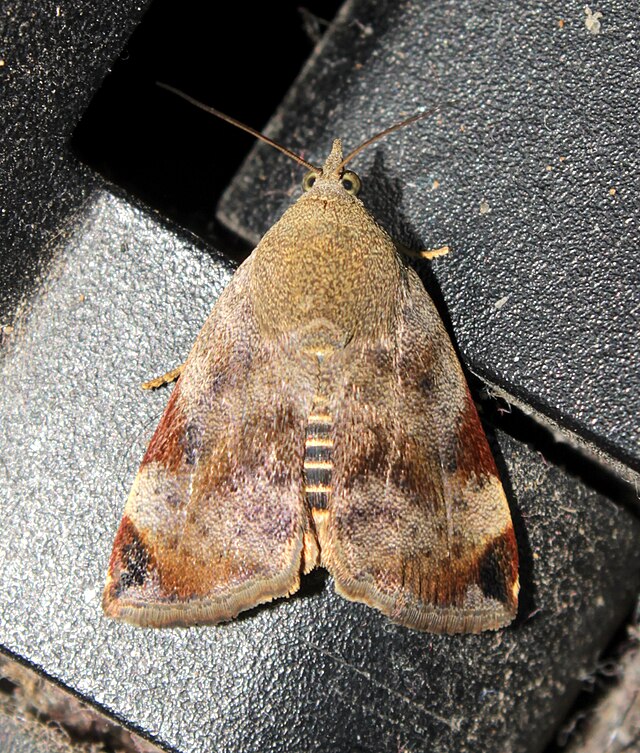
Key News Highlights:
- Eco-friendly Alternative: HpNPV offers a sustainable, targeted, and environmentally safe solution, replacing chemical pesticides that previously caused ecological and public health concerns.
- How HpNPV Works: The virus infects only the larvae of the teak defoliator moth. It multiplies rapidly inside the larvae, eventually killing them. Upon the larvae’s death, their bodies rupture, releasing trillions of infectious viral particles into the environment, which then spread to new larvae. Even if the infection is not immediately lethal, the virus can remain dormant in surviving larvae and be transmitted to future generations, ensuring long-term pest control.
- Impact on Teak Industry: The teak defoliator moth causes up to 3cubic metres of timber loss per hectare per year, which amounts to significant economic losses (?562.5crore in Kerala and ?12,525crore across India, annually).
- Successful Field Trials: Field tests in Nilambur, Kerala’s “teak town,” demonstrated the effectiveness of HpNPV in suppressing pest outbreaks, with forest staff trained in the virus’ application and monitoring. The technology is awaiting formal adoption for statewide and national implementation.
- Target Specificity and Safety: HpNPV specifically targets Hyblaea puera larvae, with no known threats to beneficial organisms or the broader environment, making it globally attractive, especially in regions where chemical pesticide use is restricted or banned.
- Export Potential: With many countries cultivating teak and looking for green pest control strategies, HpNPV is poised for international adoption. It will be showcased as a global forestry innovation at the KSCSTE R&D Summit 2025 in Thiruvananthapuram.
- In summary, HpNPV represents a pioneering, Indian-developed solution to an age-old forestry problem, promising better sustainability, greater safety for non-target species, and considerable economic benefits to the timber industry.
- Eco-Friendly: Unlike chemical pesticides, HpNPV is a natural biological agent that poses minimal risk to the environment. It is a sustainable and "green" solution for pest control.
- Highly Targeted: The virus is highly host-specific to the Hyblaea puera larvae. This means it does not harm other beneficial insects, predators, or organisms in the forest ecosystem.
- Effective Control: Field trials have demonstrated that HpNPV is highly effective in preventing large-scale defoliation and can significantly reduce the pest population.
- Long-Term Impact: The ability of the virus to spread naturally and be transmitted to subsequent generations provides a long-term solution for pest management.
The virus is typically mass-produced in a laboratory by infecting host larvae, or in the field by using natural populations of the pest. The resulting virus suspension is then sprayed onto teak plantations, particularly at the earliest signs of a pest outbreak. Early application during the initial larval stage is most effective in preventing extensive damage.
The development and use of HpNPV, pioneered by institutions like the Kerala Forest Research Institute (KFRI), represent a significant advancement in sustainable forestry and an important alternative to environmentally harmful chemical pesticides.
HpNPV specifically target the teak defoliator moth (Hyblaea puera)
HpNPV (Hyblaea puera Nucleopolyhedrosis Virus) specifically targets the teak defoliator moth (Hyblaea puera) through several unique mechanisms:
- Host Specificity: HpNPV is a baculovirus that naturally infects only the larvae of Hyblaea puera. Laboratory and field studies confirm that this virus does not infect other forest pests or non-target insects, ensuring that beneficial organisms in the ecosystem are unharmed.
- Infection Process: The virus enters the larvae when they feed on leaves contaminated with HpNPV particles. Once inside, the virus multiplies rapidly, eventually causing the infected larvae to die within 72 hours. Their bodies rupture and release trillions of new viral particles that can then infect other Hyblaea puera larvae in the vicinity.
- No Cross-Infectivity: Trials demonstrated that HpNPV does not infect other lepidopteran species like Bombyx mori or Spodoptera litura, reinforcing its exclusivity for the teak defoliator moth.
- Long-term pest control: Sub-lethal infections can cause the virus to persist inside surviving larvae and be passed to the next generation, contributing to long-term population decline of the pest.
Primary Amoebic Meningoencephalitis news

Recent news about Primary Amoebic Meningoencephalitis (PAM), caused by the brain-eating amoeba Naegleria fowleri, highlights a concerning outbreak in Kerala's Kozhikode district.
- The health department has issued alerts after three consecutive cases were reported there recently. Among the patients are a 9-year-old girl who died, a critical 3-month-old baby, and a 40-year-old man currently under treatment at Kozhikode Medical College. Tests found the amoeba in water sources around one patient's home, raising public health concerns.
- PAM is a rare but almost always fatal infection with a mortality rate exceeding 95%.
- It primarily affects young and active individuals, caused by amoeba present in warm freshwater; infection occurs when contaminated water enters the nose, allowing the amoeba to reach and destroy brain tissue.
- While treatment options are limited and survival is rare, early diagnosis and prompt administration of specific antimicrobial drugs can sometimes improve chances of survival, as illustrated by a few known survivors globally. Preventive measures focus on avoiding freshwater exposure by vulnerable populations and maintaining proper chlorination of recreational water facilities.
- These recent cases have drawn attention to the need for improved awareness, early testing, and preventive strategies in affected areas, especially in Kerala, where the disease has seen an unusual surge this year.
- This outbreak and related information have been reported and updated through various credible sources including health departments and hospitals in Kerala as of August 2025.
Primary Amoebic Meningoencephalitis (PAM) is a rare but usually fatal brain infection caused by the amoeba Naegleria fowleri, often referred to as the "brain-eating amoeba." This microscopic organism infects people when contaminated warm freshwater enters the body through the nose, commonly during swimming or diving in lakes, rivers, or warm freshwater bodies. The amoeba then travels through the olfactory nerves into the brain, where it destroys brain tissue, causing severe swelling and inflammation.
Key features of PAM include:
- It mainly affects children, teens, and young adults who are otherwise healthy.
- Symptoms typically appear 1 to 9 days after exposure and initially resemble bacterial meningitis — headache, fever, nausea, and vomiting.
- As the infection progresses, symptoms worsen with stiff neck, confusion, loss of balance, seizures, hallucinations, and coma.
- Disease progression is rapid and usually leads to death within about 5 days from symptom onset.
- PAM cannot be transmitted from person to person; infection occurs only by direct entry of contaminated water into the nose.
- Diagnosis is difficult as early symptoms mimic other forms of meningitis. It is confirmed by detecting the amoeba in cerebrospinal fluid or brain tissue using specialized tests.
- Prevention involves avoiding swimming in untreated warm freshwater during hot weather, using nose clips, and avoiding diving or forceful water entry into the nose.
- Treatment options exist but have limited success, with a very high fatality rate of approximately 95%.
Key Early Symptoms of PAM
The key early symptoms of Primary Amoebic Meningoencephalitis (PAM) to watch for usually begin about 1 to 12 days after exposure to the amoeba and often start around 5 days after infection. These early symptoms include:
- Headache
- Fever
- Nausea
- Vomiting
- Severe headache near the front of the head
- Sometimes changes in smell and taste
In summary, the earliest signs to watch for are headache, fever, nausea, and vomiting, with urgent care needed as symptoms escalate quickly to neurological problems. Early diagnosis and treatment may improve chances of survival given the aggressive nature of PAM.
Almond cultivation
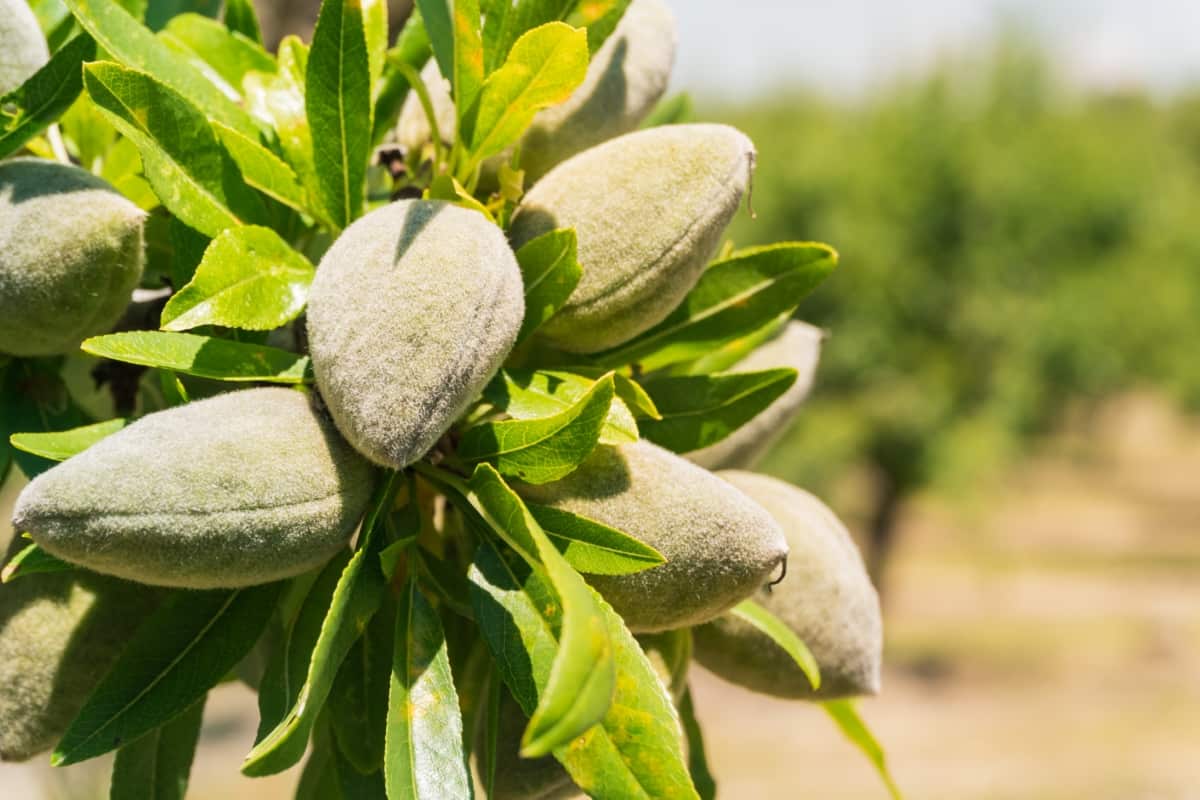
Almond cultivation is a significant agricultural activity, especially in regions with a Mediterranean climate. The process requires specific environmental conditions and careful management to ensure a high yield of quality nuts.
Climate Requirements
Almond trees thrive in a Mediterranean climate, characterized by:- Long, hot, and dry summers: This is crucial for the proper ripening of the nuts.
- Mild, wet winters: Almond trees need a specific amount of "chill hours" during their dormant period to break bud dormancy and ensure a strong bloom. This is typically an accumulation of hours between 32°F and 45°F (0°C to 7°C).
- Avoidance of late frosts: Almond trees bloom very early in the spring, typically from mid-February to mid-March. Frost during this period can severely damage the blossoms and a half-hour of temperatures below 25°F (-4°C) can be devastating to the crop.
- Minimal rainfall during flowering: Rain and humid conditions during the bloom period can hinder bee activity and pollination, leading to a poor fruit set. It also increases the risk of fungal and bacterial diseases.
Soil and Land Preparation
- Soil Type: Almonds are adaptable but perform best in deep, fertile, well-drained loamy soils. They do not tolerate heavy or poorly drained soils, which can lead to fungal diseases and root rot.
- pH Level: A slightly acidic to alkaline soil pH, ranging from 6.0 to 7.5, is ideal.
- Drainage: Excellent drainage is paramount. Almond trees are highly sensitive to waterlogged conditions.
- Land Preparation: Before planting, the land should be cleared of debris and weeds. A soil test is recommended to determine the pH and nutrient content. Tilling the soil helps to loosen it and improve aeration for root development.
Planting and Maintenance
- Planting Material: While it is possible to grow an almond tree from seed, it is not recommended for commercial cultivation as the resulting trees may not be true to the parent and will take longer to bear fruit. The best approach is to start with a grafted sapling from a reputable nursery.
- Pollination: Most almond varieties are not self-pollinating. To ensure a good harvest, it is essential to plant at least two different compatible almond cultivars that can cross-pollinate. Honeybees are the most common and effective pollinators and are often introduced into orchards during the bloom period.
- Watering: Although drought-tolerant, almond trees require consistent irrigation, especially during the dry summer months. Drip irrigation is a highly efficient method. Young trees need to be watered regularly, keeping the soil moist but not soggy.
- Fertilization: Regular soil tests help determine the specific nutrient needs of the trees. A balanced fertilizer application, especially nitrogen, phosphorus, and potassium, is crucial for strong growth and nut production. Fertilization is typically done in the spring.
- Pruning: Proper pruning is essential for maintaining the tree's health, shape, and productivity. It helps to improve sunlight penetration and airflow within the canopy, which is vital for both yield and disease prevention.
Pests and Diseases
Almond trees are susceptible to a variety of pests and diseases, which require diligent management:- Pests: Common pests include the Navel Orangeworm, Peach Twig Borer, spider mites, and various borers and leaf-footed bugs.
- Diseases: Fungal diseases like Shot Hole, Anthracnose, and Alternaria Leaf Spot are prevalent, especially in humid conditions. Other issues include Verticillium Wilt and bacterial spot.
Harvest
Almond nuts are ready for harvest in late summer and early fall when the outer hull splits open and the shell turns a straw-yellow color. The nuts are typically shaken from the trees mechanically and then allowed to dry on the ground for several days before being collected and processed to remove the hull and shell.Mount Elbrus

Mount Elbrus is the highest mountain in Europe and a significant peak in the Caucasus Mountains of southwestern Russia, near the border with Georgia. It is a dormant stratovolcano with two main summits: the western summit at 5,642 meters (18,510 ft) and the eastern summit at 5,621 meters (18,442 ft).
Here are some key facts about Mount Elbrus:
Geography and Geology
- Highest Peak in Europe: While Mont Blanc in the Alps is sometimes cited as the highest, Mount Elbrus is generally accepted as the highest peak in Europe due to the common geographical convention that places the Caucasus Mountains on the European side of the boundary with Asia.
- Dormant Volcano: Elbrus is a stratovolcano, meaning it is built up of multiple layers of hardened lava and volcanic ash. Its last eruption is estimated to have been around A.D. 50.
- Glaciers: The mountain is covered year-round in snow and ice, feeding 22 major glaciers that give rise to several rivers. The glaciers have been receding due to climate change.
Mountaineering and Climbing
- One of the Seven Summits: Mount Elbrus is included in the "Seven Summits" challenge, which is a list of the highest peaks on each of the seven continents. Its relatively accessible nature compared to other Seven Summits makes it a popular choice for climbers.
- Climbing Difficulty: While not a technically difficult climb, Mount Elbrus is a serious high-altitude expedition. The main challenges are the altitude, unpredictable and harsh weather conditions, and the risk of crevasses, especially on the less-traveled routes.
- Main Routes:
- South Route: This is the most popular and easiest route. It is well-supported with a series of cable cars and chairlifts that take climbers up to the high mountain huts (at around 3,800m), reducing the amount of ascent required. A snowcat can also be used on summit day to further reduce the climb.
- North Route: This route is more challenging and remote, lacking the infrastructure of the south side. It requires greater self-sufficiency and is less crowded.
Cultural and Historical Significance
- Mythology: In Greek mythology, Mount Elbrus is said to be the mountain where Zeus chained Prometheus as punishment for giving fire to humanity.
- First Ascent: The first successful ascent of the western, and higher, summit was in 1874 by a British expedition. The eastern summit had been climbed earlier, in 1829.
- World War II: The mountain was a site of minor strategic importance during World War II, with German and Soviet troops fighting for control of its slopes.
Halman Apricot
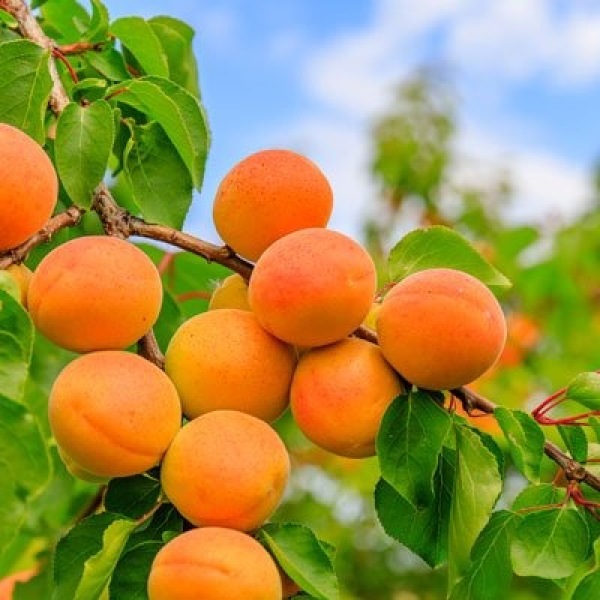
The Halman Apricot is a renowned variety of apricot (Prunus armeniaca L.) primarily cultivated in the cold and arid high-altitude region of Ladakh, India. It is considered one of the finest apricots in the world and is a significant part of Ladakh's agricultural heritage and economy.
Key Characteristics
- Appearance and Flavor: Halman apricots are known for their vibrant orange color and soft, succulent, juicy flesh. They have a distinctively sweet and slightly tangy flavor with a high sugar content.
- Nutritional Value: This variety is a powerhouse of nutrients, including vitamins A, C, and E, as well as essential minerals like potassium, copper, manganese, and iron. It is also a good source of fiber and antioxidants.
- Origin and Cultivation: The apricot is believed to have been introduced to Ladakh over a century ago from either China or Central Asia. It thrives in the region's unique climate of intense sunlight, clear skies, and cold, dry conditions. This environment contributes to the fruit's rich flavor and high quality.
- Kernel: The kernel of the Halman apricot is also highly valued. There are two types: sweet and bitter. The sweet kernels are consumed as a snack, while the bitter ones are used to produce apricot kernel oil, which is used for culinary and medicinal purposes.
- Versatility: Halman apricots are versatile and can be consumed fresh, but they are particularly famous for being sun-dried. The fruit has a thick flesh that retains its substance even after drying, making it a popular and nutritious dried fruit snack. They are also used in various traditional Ladakhi dishes, medicine, and festive rituals.
Economic and Cultural Importance
The Halman apricot is an indispensable part of the lives of the people of Ladakh, especially in the Sham (western) region. The cultivation and processing of this fruit provide a source of livelihood for many local farmers, particularly women. The recent export of Halman apricots to international markets, such as the Gulf countries, has been a significant milestone, opening up new opportunities for the region's agricultural economy. This has not only boosted the income of local farmers but has also helped to brand Ladakh as a source of organic and high-altitude produce on a global scale.Bering Strait

The Bering Strait is a narrow, frigid waterway that separates the continents of Asia and North America. It connects the Pacific Ocean (specifically the Bering Sea) to the Arctic Ocean (the Chukchi Sea). At its narrowest point, the strait is only about 53 miles (85 km) wide, with the international boundary between the United States and Russia running through it.
Key Features and Significance
- Location: The strait lies between Russia's Chukchi Peninsula and Alaska's Seward Peninsula. The U.S. and Russia are separated by a chain of islands within the strait called the Diomede Islands. The International Date Line also passes between these islands, meaning that Big Diomede (Russia) is almost a full day ahead of Little Diomede (U.S.).
- Bering Land Bridge: The most historically significant feature of the Bering Strait is its connection to the Bering Land Bridge, a prehistoric landmass that existed during the last Ice Age. At that time, global sea levels were much lower due to massive glaciers locking up vast amounts of water. This exposed the shallow seabed of the strait, creating a land bridge known as Beringia. This land bridge is the most widely accepted theory for how humans first migrated from Asia into the Americas, along with various plants and animals.
- Shallow and Icy: The Bering Strait is relatively shallow, with an average depth of 98 to 164 feet (30 to 50 meters). It is often covered in sea ice during the long, cold winters, making navigation difficult and dangerous for much of the year. However, as Arctic ice melts due to climate change, shipping traffic is increasing, raising new concerns about environmental protection and geopolitical competition.
- Marine Life: Despite the harsh conditions, the Bering Strait is an important ecological corridor. It is a vital migratory route for countless marine species, including whales, seals, and a huge number of seabirds that travel between the Pacific and Arctic Oceans.
SWAYAM portal

The Ministry of Education, Government of India, has recently launched five new free courses in Artificial Intelligence (AI) on the SWAYAM portal. These courses are designed to help students, from various academic backgrounds, gain essential skills in AI to enhance their employability.
Key AI Courses Launched
The new courses are tailored to different disciplines, ensuring a wide range of students can benefit from them. The courses include:
- AI/ML using Python: A foundational course covering Python programming, data visualization, and the basic concepts of AI and Machine Learning.
- Cricket Analytics with AI: This course, offered by IIT Madras, is specifically for sports enthusiasts, teaching how to apply data science and AI to analyze cricket matches.
- AI in Physics: It focuses on how AI tools like machine learning and neural networks can be used to solve real-world physics problems.
- AI in Chemistry: This course is for undergraduate science students, teaching them to apply AI to predict molecular properties and design drugs.
- AI in Accounting: A course for commerce and management students that explores the integration of AI with accounting principles.
- SWAYAM Plus: A new platform, SWAYAM Plus, has been launched to focus on employability and professional development. It aims to offer industry-relevant courses in collaboration with leading companies.
- Exam Dates: The exam dates for the July 2025 semester have been finalized and are scheduled for December 11th, 12th, 13th, and 14th, 2025.
- New NCERT Courses: The National Council of Educational Research and Training (NCERT) has introduced 28 new free online courses on the portal for students in classes 11 and 12.
SWAYAM Plus

SWAYAM Plus is an extension of the SWAYAM platform, specifically designed to offer employability-focused and professional development courses. Launched by the Indian government in February 2024, it operates on a public-private partnership model and aims to bridge the gap between academic education and industry demands.
Key Features and Objectives
- Industry Collaboration: Unlike the original SWAYAM platform, which primarily features academic courses from top universities, SWAYAM Plus partners directly with leading industry players like L&T, Microsoft, and Cisco to develop and offer courses. This ensures that the content is relevant to current job market needs.
- Focus on Employability: The main goal is to make learners, including students and working professionals, more "job-ready." Courses are designed to provide practical, hands-on learning and upskilling opportunities in various sectors.
- Target Sectors: The platform offers programs in high-demand sectors such as Manufacturing, Energy, Healthcare, Hospitality, and Computer Science.
- Value-Added Services: SWAYAM Plus envisions offering features beyond just course content, including AI-enabled guidance, mentorship, scholarships, and even job placement assistance.
- Credit Recognition: Courses offered on the platform are aligned with the National Credit Framework (NCrF), allowing learners to potentially transfer credits earned to their academic records at their respective universities.
- Multilingual Content: To ensure wider accessibility, the platform provides content in multiple Indian languages.
Dibru-Saikhowa National Park
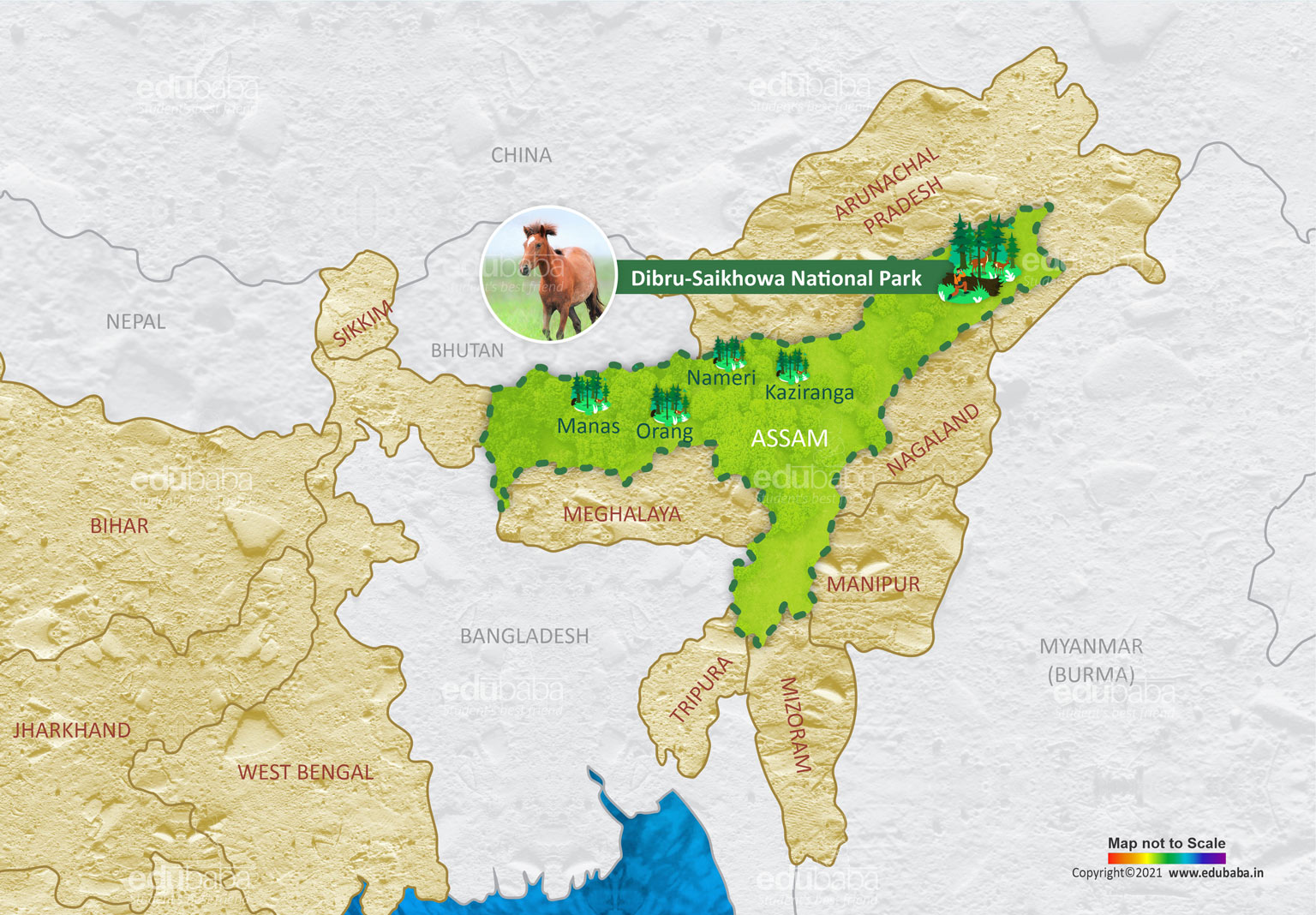
Dibru-Saikhowa National Park is a prominent national park and biosphere reserve located in the Dibrugarh and Tinsukia districts of Assam, India. It is a unique and significant biodiversity hotspot, situated in the floodplains of the Brahmaputra and Dibru rivers.
Key Features and Significance
- Location and Geography: The park is bounded by the Brahmaputra and Lohit rivers to the north and the Dibru river to the south. It is characterized by a unique ecosystem of wetlands, grasslands, and semi-evergreen forests, making it one of the largest salix swamp forests in northeastern India.
- Biodiversity: The park is recognized as an Important Bird Area (IBA) and is a haven for a wide variety of flora and fauna, including many endangered species.
- Feral Horses: One of the most famous and unique attractions of the park is its population of feral horses. These are descendants of horses that escaped from British Army stables and have adapted to life in the wild.
- White-winged Wood Duck: The park was originally created to protect the habitat of the rare and endangered White-winged Wood Duck, a species of great conservation significance.
Flora and Fauna
- Flora: The park's vegetation includes a mix of moist mixed semi-evergreen, deciduous, and swamp forests. It is home to hundreds of species of trees and plants, including the renowned and ancient Kekjori tree, which is considered sacred by locals.
- Fauna: In addition to the feral horses and White-winged Wood Duck, the park is home to 36 species of mammals, including:
- Bengal tiger (elusive)
- Indian leopard
- Hoolock gibbon (India's only ape species)
- Asian elephant
- Asiatic water buffalo
- Gangetic dolphin (in the surrounding rivers)
Activities and Attractions
- Boat Safaris: The best way to explore the park is by boat, as it is largely an island national park. Boat safaris offer excellent opportunities to spot wildlife, including river dolphins, and a vast array of birds.
- Bird Watching: Dibru-Saikhowa is a paradise for bird watchers, with over 500 species of resident and migratory birds, including the Black-breasted Parrotbill and Greater Adjutant Stork.
- Nature Walks: Visitors can also take guided nature treks through the dense forests and grasslands to experience the park's wilderness up close.
- Maguri Motapung Beel: A large wetland on the boundary of the park that is a major hub for migratory birds.

