CA-16/08/2025
Contents
1. Mission Sudarshan Chakra
2. Viksit Bharat Rojgar Yojana
3. Nuclear energy capacity
4. Plastic treaty
5. Rehabilitation of Bonded Labourer Scheme
Key Objectives and Features
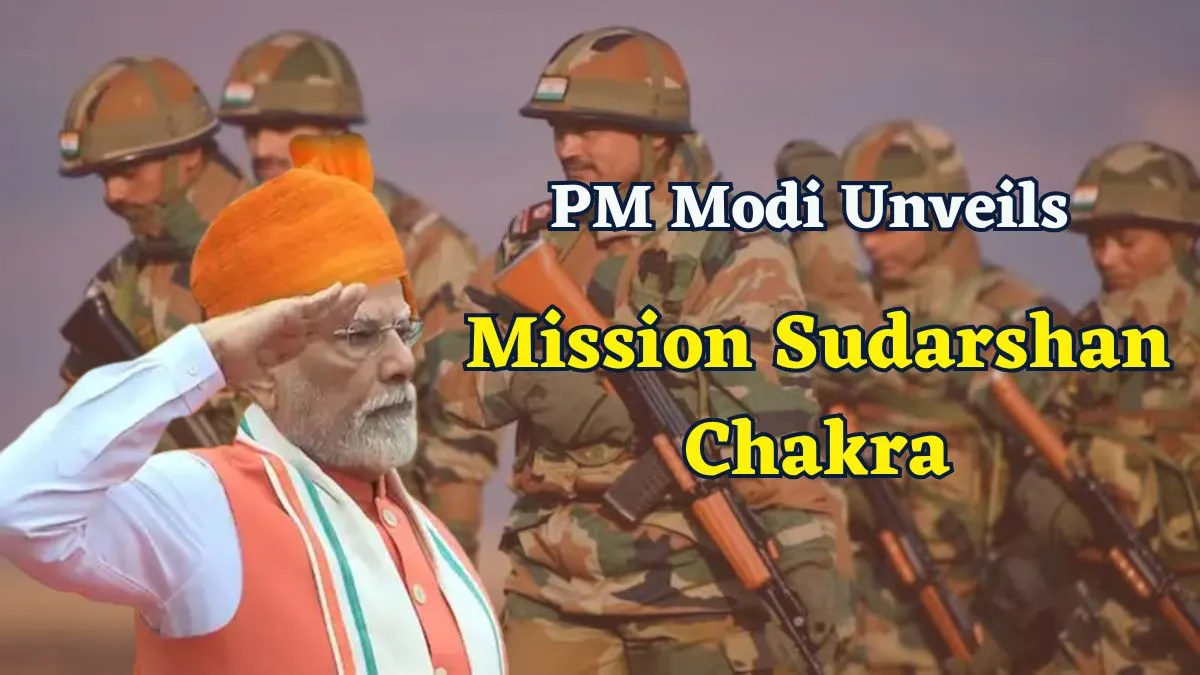
- Comprehensive Security Shield: The mission focuses on protecting India's strategic, civilian, and religious sites from enemy attacks—including threats from long-range missiles, drones, aircraft, and cyber incursions.
- Multi-Domain Defence: Mission Sudarshan Chakra is designed to integrate advanced surveillance, interception, and counter-attack capabilities. It spans air, land, sea, and cyber domains for swift threat neutralization.
- Indigenous Development: All components are to be researched, developed, and manufactured in India, leveraging domestic talent and promoting self-reliance in the defence sector.
- Timeline: The national security shield is projected to be expanded, strengthened, and modernized over the next ten years, with a target for full operationalization by 2035.
- Collaboration: The initiative will involve joint efforts between India’s defence research organizations, armed forces, private sector, and technology innovators.
- Inspired by Historical Legacy: Modi invoked Lord Krishna’s Sudarshan Chakra as a symbol of strength and proactive strategy, referencing its legendary Mahabharata use in shielding allies.
- Response to Security Incidents: The mission seeks to prevent events like the 2008 Mumbai attacks and recent hostilities with Pakistan, moving from a reactive to a proactive security posture.
- Retaliatory Capabilities: Beyond mere defence, Sudarshan Chakra will enable India to respond effectively to cross-border threats, especially terrorism—giving the armed forces authority for decisive action.
- Iron Dome Comparison: Mission Sudarshan Chakra is modeled on Israel’s Iron Dome, known for its high success rate in intercepting rockets. The Indian version aims to integrate advanced sensors, interceptors, and command systems to rival global standards.
- Current Capabilities: India currently operates Russian-made S-400 air defence systems, called Sudarshan Chakra in military ranks, but the new mission focuses on an indigenous equivalent with broader coverage and multilayered integration.
Mission Sudarshan Chakra represents India’s commitment to a proactive, indigenous, and integrated national security posture. By 2035, it aims to blanket the country with protective layers spanning physical and cyber threats, firmly rooted in Indian innovation, and reducing dependency on foreign defence technologies.
Viksit Bharat Rojgar
Yojana
Yojana
The Pradhan Mantri Viksit Bharat Rozgar Yojana (PM-VBRY) is a major employment promotion initiative launched by Prime Minister Narendra Modi on August 15, 2025.
Key Points of Viksit Bharat Rozgar Yojana
- Scheme Launch & Goal: Launched by PM Modi on August 15, 2025, aiming to create 3.5 crore (35 million) new jobs in two years till July 31, 2027.
- Budget & Timeframe: Total outlay of ?99,446 crore. The scheme applies to jobs created between August 1, 2025, and July 31, 2027.
- First-time private sector job-seekers receive a one-time incentive of ?15,000.
- Distributed in two installments: first after six months of continuous employment, second after twelve months and completion of a financial literacy module.
- The second installment is credited into a savings instrument to promote long-term discipline.
- Must be getting their first private sector job.
- Monthly salary must be up to ?1 lakh.
- Must not have been an EPFO or Exempted Trust member before August 1, 2025.
- Must work continuously for at least six months in the same company.
- EPFO registration and Universal Account Number (UAN) activation required.
- Must be EPFO-registered
- Must add new employees meeting the above criteria
- EPFO-registered companies recruiting eligible new employees receive up to ?3,000 per month per hire for two years (four years for manufacturing sector).
- Minimum hiring thresholds: 2 new employees for companies with under 50 staff; 5 new employees for companies with 50 or more staff.
- Manufacturing, MSMEs, services, and technology are main targets for job creation.
- Beneficiaries must complete a financial literacy program to receive the second installment, promoting savings and financial awareness.
- Youth must activate UAN and complete EPF formalities.
- Employers must register new hires under EPFO and fulfill eligibility conditions.
- Economic growth and skill development for youth
- Strengthening of financial literacy and savings habits among beneficiaries
- Promotes a self-reliant India by supporting new entrants to the workforce
- Provides significant support to both job-seekers and industries, especially in sectors with high job-generation potential
Nuclear energy capacity
Why in news?
Prime Minister made several major announcements about nuclear energy capacity during his Independence Day address on August 15, 2025:
Key highlights:
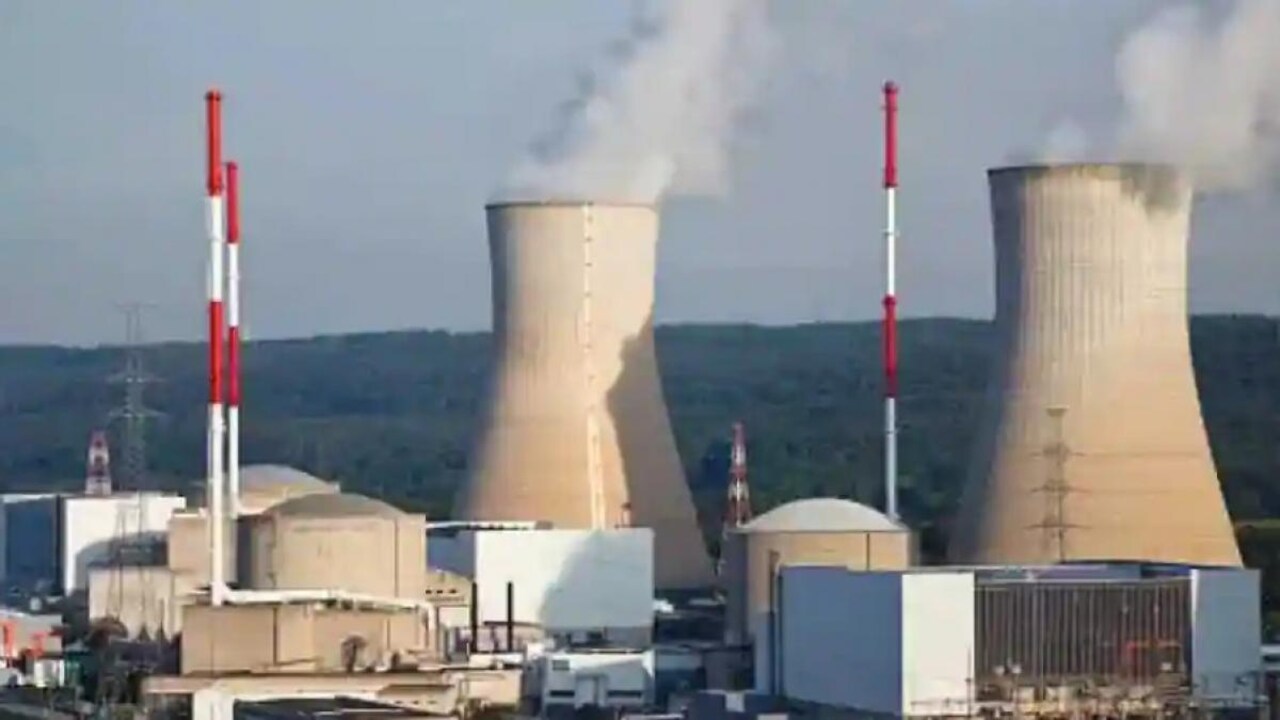
- Tenfold Increase Target: Modi stated that India is rapidly working on 10 new nuclear reactors and has set an ambitious goal to increase the country’s nuclear energy capacity tenfold by 2047, coinciding with the centenary of India's independence.
- Reforms and Private Sector Participation: Modi emphasized major reforms in the nuclear energy sector, including opening the field to the private sector. The government plans to amend the Atomic Energy Act and related legislation to encourage broader participation, attract investment, and potentially allow foreign companies to take minority stakes in nuclear plants (while maintaining state control over reprocessing and plutonium management).
- Clean Energy Commitment: Modi noted that nuclear energy is critical for long-term energy independence and for reducing reliance on imported fossil fuels, a significant financial burden for the country.
- Broader Energy Strategy: Alongside nuclear expansion, Modi highlighted India’s achievements in solar energy, hydropower, and green hydrogen—spotlighting energy self-reliance as a cornerstone of his vision for “Viksit Bharat 2047,” or a fully developed India by 2047.
- Projected Impact: If India meets its tenfold target, nuclear will contribute about 5% of total electricity supply by 2047, versus under 2% today. India’s current nuclear capacity is around 8.8GW.
1. Increased Capital and Faster Growth
- Opening nuclear energy to private and foreign investors is expected to attract around $26 billion in new capital, reducing reliance on state funding and enabling faster deployment of new reactors.
- Private sector efficiency could significantly reduce India’s historically long nuclear plant construction timelines—from a median of 14 years to potentially just 5-7 years.
- Private companies, via joint ventures and equity participation with NPCIL (the state nuclear utility), will help build, operate, and supply equipment for nuclear plants.
- This broadens the base of contributors, draws on private expertise, and allows risk-sharing, making nuclear expansion more financially feasible for the government.
- Private involvement will help drive research, innovation, and local manufacturing—especially for advanced reactors and small modular reactors (SMRs). India plans to develop Bharat Small Reactors in collaboration with private and foreign firms.
- Global technology transfer is likely as foreign companies become able to hold minority stakes, bringing advanced expertise into India's nuclear ecosystem.
- India is moving to amend its Atomic Energy Act and Nuclear Liability Law, paving the way for:
- Cap vendor liability and simplify legal risks for investors.
- Allow private and foreign players to co-own and operate nuclear plants (with safeguards on sensitive activities).
- Liberalize uranium mining, import, and fuel processing.
- Private participation is expected to speed up the nuclear sector’s contribution to energy security and net-zero carbon goals, potentially enabling India to reach its target of 100GW nuclear capacity by 2047 and to meet rising electricity needs more reliably.
- Success relies on robust safety regulation, stakeholder consensus, and legislative progress.
- Political opposition, public safety, and the creation of effective oversight mechanisms will be essential to manage risks.
Plastic treaty
Why in news?
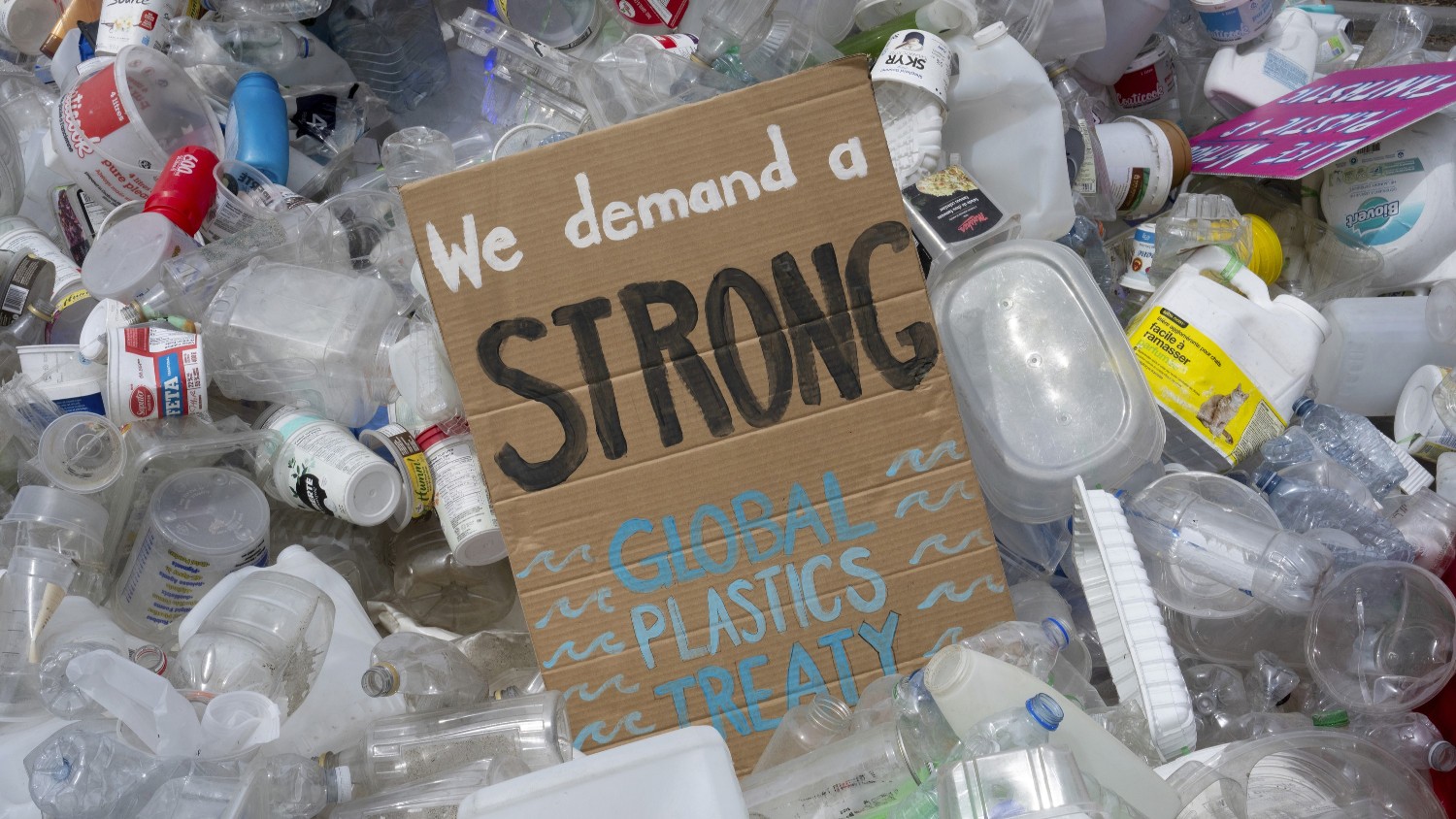
Recent developments on the global plastic treaty reveal that the latest round of negotiations, held in early August 2025 in Geneva, ended without an agreement.
About plastic treaty
- The global plastic treaty is an international effort led by the United Nations to address the full lifecycle of plastic—from design and production to disposal and waste management—to combat the worldwide plastic pollution crisis.
- In 2022, 175 nations agreed to negotiate a legally binding treaty aimed at reducing plastic pollution significantly, including phasing out unnecessary plastic products, cutting plastic production, and addressing harmful chemicals in plastics.
- The goal is to create a unified approach that goes beyond fragmented national efforts to curb plastic pollution, which threatens ecosystems, human health, and contributes to climate change due to plastics' fossil fuel origins.
- Over 180 countries participated, aiming to create the world's first comprehensive treaty addressing plastic pollution throughout its lifecycle—production, design, and disposal.
- A major fracture remains between proponents of strong measures—including over 100 nations advocating for legally binding caps on plastic production and restrictions on harmful chemicals—and oil-producing countries (Saudi Arabia, Russia, Iran, Malaysia) that oppose production limits, preferring focus on recycling and reuse.
- The draft treaty proposed by the negotiation chair did not include a cap on plastic production, which was a critical demand from many countries and environmental groups. This omission contributed to rejection of the text by over 100 nations.
- The talks extended beyond their deadline but still failed to produce consensus. The chair adjourned the session without outlining the next steps or a timeline for future negotiations.
- Environmental organizations and many countries expressed strong disappointment, condemning the blockage by fossil fuel interests and calling for renewed, ambitious efforts to finalize the treaty.
- The United Nations Environment Programme (UNEP) and representatives reiterated their commitment to continuing negotiations despite the setback.
Despite disappointment and frustration, most parties remain committed to securing a final treaty:
- The United Nations Environment Programme (UNEP) and other global actors have emphasized the need to continue negotiations, with a future date yet to be determined.
- Calls for new leadership, a shift in negotiation strategy, and perhaps considering complementary action through existing UN environmental conventions underscore the urgency for a breakthrough.
- Over 100 countries have signaled strong alignment on ambitious treaty elements, like mandatory phase-outs of problematic plastic products and common global design standards to improve recyclability, which could sharply reduce waste and boost recycling revenue.
- Advocacy groups stress the importance of confronting fossil fuel interests and adopting treaty provisions that are binding and address the full lifecycle of plastics, including production, design, and disposal.
- Countries and business groups are urging intensified efforts and continued diplomatic engagement, viewing an ambitious treaty as essential for an effective, consistent global response to plastic pollution.
Rehabilitation of Bonded Labourer Scheme
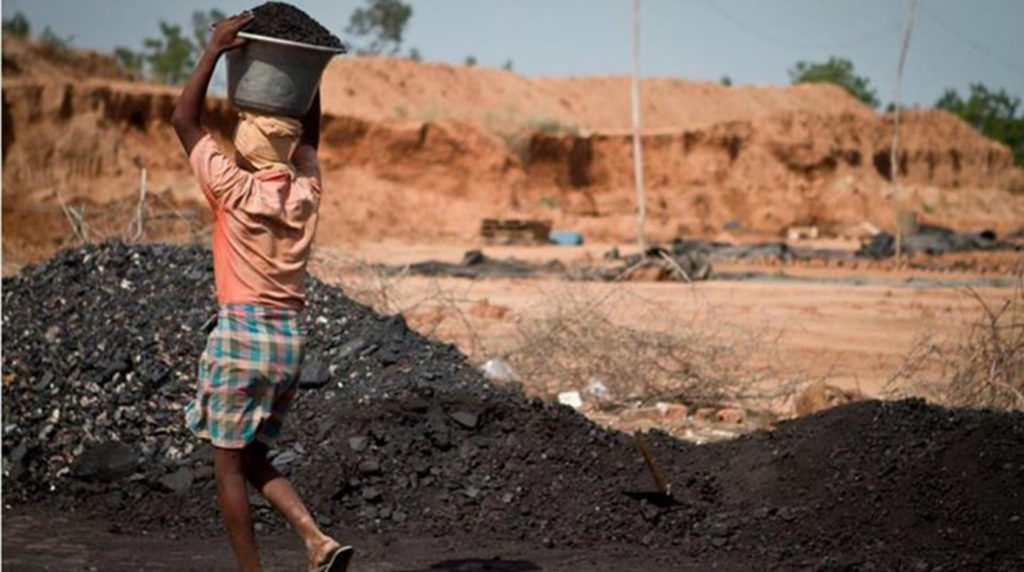
The Rehabilitation of Bonded Labourer Scheme is a central government initiative in India aimed at the welfare and rehabilitation of individuals rescued from bonded labor.
Key elements of this scheme include:
- It is a Central Sector Scheme implemented by the Ministry of Labour & Employment.
- Immediate financial assistance of Rs. 30,000 is provided to rescued bonded labourers by the District Administration.
- Rehabilitation assistance is given based on beneficiary categories:
- Rs. 1 lakh for adult male beneficiaries.
- Rs. 2 lakh for special categories such as women, children (including orphans and those rescued from forced child labour or begging rings).
- Rs. 3 lakh in cases involving extreme deprivation or marginalization, such as transgenders, victims of sexual exploitation, trafficking, or differently abled persons.
- The scheme is 100% funded by the Central Government, and the funds are reimbursed to States/Union Territories.
- There is a provision for financial assistance to States for conducting surveys of bonded labourers, awareness generation, and evaluatory studies.
- States are required to create a Bonded Labour Rehabilitation Fund at the district level with a permanent corpus of at least Rs. 10 lakh for immediate assistance to released bonded labourers.
- The scheme is demand-driven and linked to the conviction of offenders, but immediate assistance is given regardless of conviction status to help rescued labourers.
- Technological measures are being introduced, including a centralized digital database for rescued labourers linked with Aadhaar, a 24x7 toll-free helpline, and a mobile app for anonymous reporting of bonded labour cases.
- Rehabilitation packages include measures like education, psycho-social counseling, skill development, and support for marriage in the case of women.
- Vigilance Committees at district and sub-division levels advise the administration and oversee implementation.
- Workshops and training sessions on the provisions, challenges, and prospects of bonded labour rehabilitation continue to be organized to improve awareness and implementation.
Download Pdf

