Isobutanol-Diesel blending
Why in news?
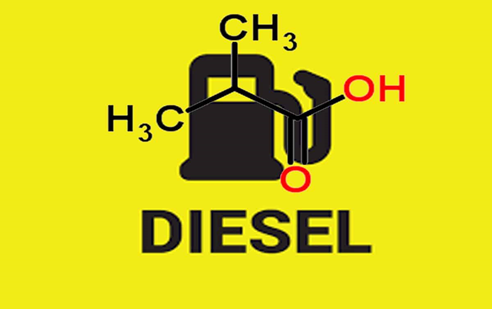
India is currently exploring the blending of isobutanol with diesel as a promising alternative after ethanol-diesel blending trials proved unsuccessful. The Automotive Research Association of India (ARAI) is conducting pilot tests with 10% isobutanol-diesel blends.
Key Properties and Advantages of Isobutanol for Diesel Blending
- Higher Flash Point: Isobutanol’s higher flash point (around 28°C) compared to ethanol makes it less volatile and safer for storage and transport.
- Better Miscibility: It blends well with diesel without needing extra additives, unlike ethanol, leading to better combustion stability.
- Energy Density: Its energy density is closer to diesel than ethanol, though still lower than pure diesel.
- Lower Hygroscopicity: Isobutanol absorbs less water, which reduces corrosion risks in engines and pipelines.
- Production: It can be produced from biomass feedstocks such as sugarcane syrup, molasses, and grains via microbial fermentation, and existing ethanol plants can be retrofitted to produce it economically.
- Emission Reduction: Blends reduce particulate matter, smoke, and harmful emissions like CO and hydrocarbons, supporting cleaner air objectives.
- Energy Security: Using domestic biomass feedstock reduces dependence on imported fossil fuels.
- Economic and Agricultural Support: Encourages use of surplus sugarcane by-products, helping farmers and managing agricultural surplus.
- Engine Compatibility: Causes fewer engine corrosion issues compared to ethanol blends, though has a lower cetane number, which can affect combustion efficiency and power.
- India is among the first countries actively piloting isobutanol-diesel blends, aiming to commercialize it and push biofuel adoption aligned with the National Biofuel Policy and net-zero emission goals by 2070.
- The government, promotes a target of 10% biofuel blending in diesel using isobutanol to improve energy security and farmer incomes.
- Blending Limit: Due to performance issues, blending is generally recommended not to exceed about 10% isobutanol in diesel to avoid combustion irregularities and engine wear.
- Ignition Delay: Studies show isobutanol blends can increase ignition delay and affect peak cylinder pressures, impacting overall engine performance.
- Miscibility with Diesel: Though better than ethanol, some miscibility issues remain, often requiring blending with biodiesel or stabilizers to maintain fuel stability.
- Engine Compatibility: Older diesel engines may face more significant performance and durability issues, requiring engine recalibration or modification for optimal use.
- Emission Concerns: While particulate matter and smoke decrease, isobutanol-diesel blends can increase nitrogen oxide (NOx) emissions due to higher combustion temperatures, necessitating emission control strategies.
- Cost and Infrastructure: Production of isobutanol is currently more expensive than diesel and ethanol. Infrastructure and additives to improve cetane readings increase operational costs.
- Feedstock Price Volatility: Fluctuating sugarcane and molasses prices affect raw material costs for isobutanol production, creating economic uncertainty.
- Scaling Up Production: While existing ethanol plants can be retrofitted, scaling up isobutanol production to commercial levels needs investment and technology adjustments.

